High-tech and customizable
Labs
From compact portable labs for on-site studies to fully integrated, customized research labs, we deliver exactly what you need. Designed with you, built by us.
- Turn-key labs tailored to your research goals
- Cutting-edge tools for behavior recording and analysis
- Portable or stationary solutions for any environment
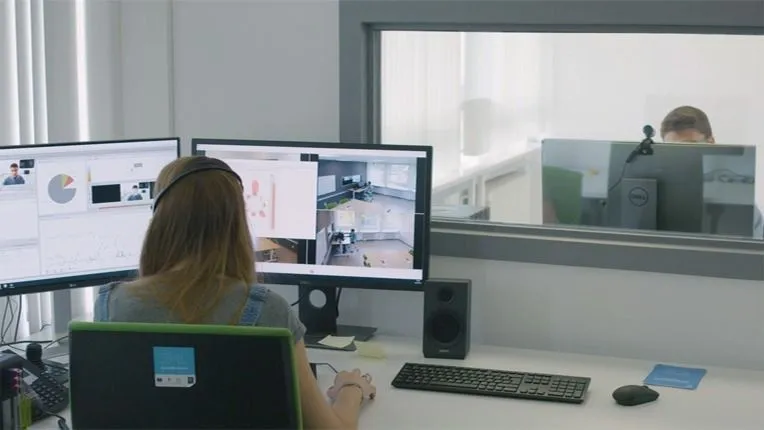
Custom labs built for your research needs
We collaborate with world-class suppliers to provide flexible tools designed to adapt to your unique research demands. From cameras and computers to eye trackers and physiological measurement systems, every piece of equipment is seamlessly integrated for optimal performance.
Need a custom solution? With years of experience building labs worldwide, we’ll create the perfect setup for you. Let us help you build the lab that fits your research goals perfectly.
What kind of lab do I need?
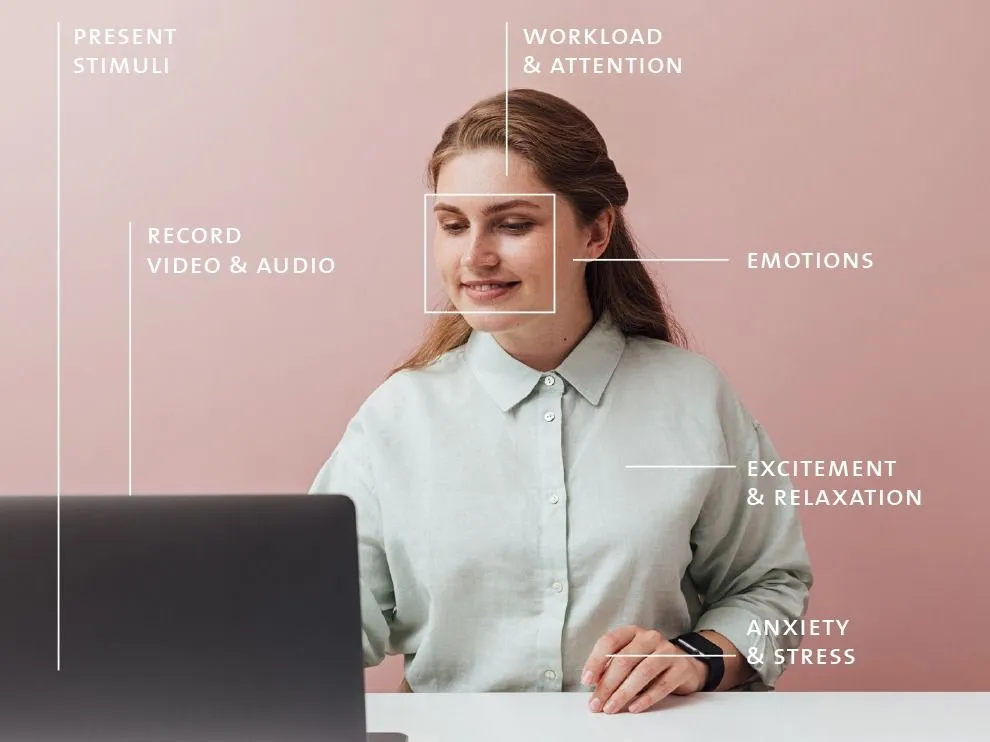
Multimodal research lab
A multimodal human behavior research lab integrates eye tracking, facial expression analysis, galvanic skin response, and electrocardiography. It captures comprehensive data on attention, emotion, and physiological responses to study complex human behaviors in varied contexts.
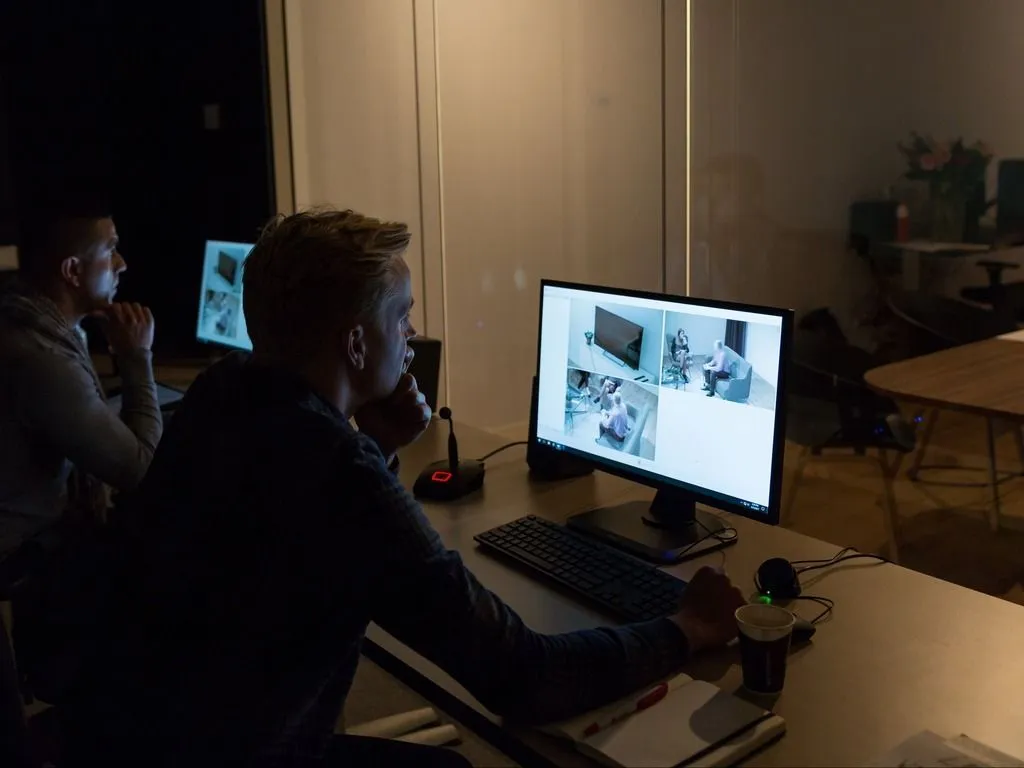
Multi-room lab
This lab features interconnected rooms equipped with technology to observe, record, and analyze human interactions in a controlled setting, providing valuable insights into behavior and understanding of thought processes in various scenarios.
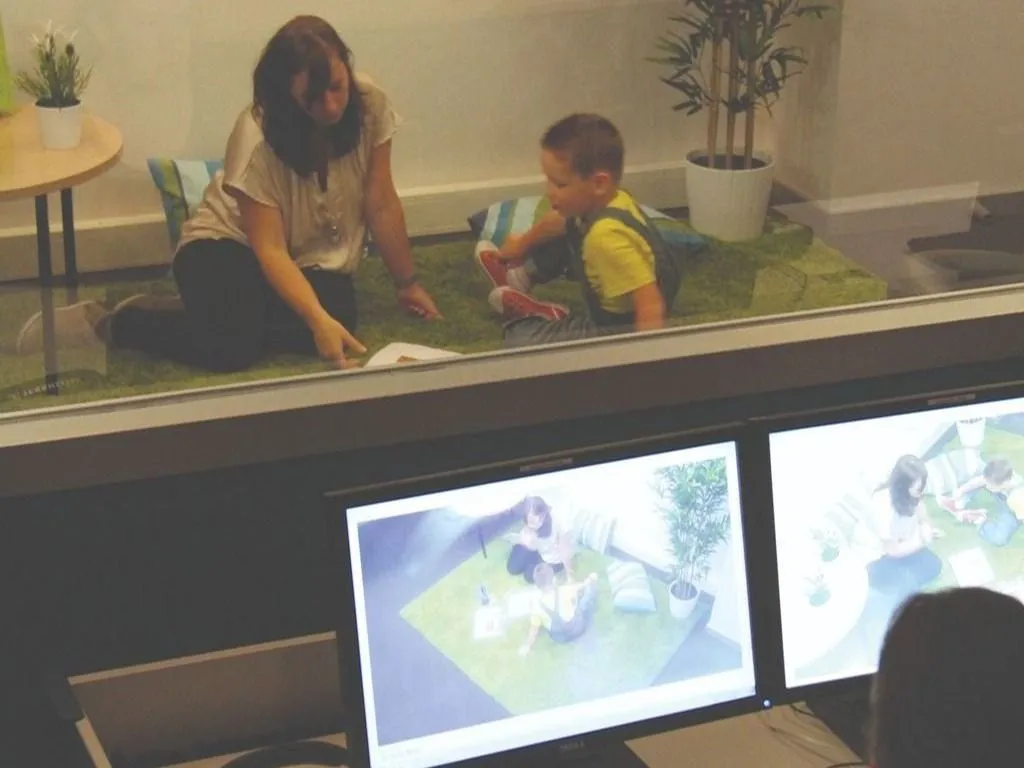
Observation lab
An observation lab includes a one-way mirror, recording equipment, and a controlled environment. It allows researchers to observe and analyze participants' behaviors, interactions, and responses in a naturalistic yet controlled setting.

Consumer behavior lab
Conduct research in a consumer behavior lab to gain insights into decision-making. Uncover what drives consumer choices by analyzing shopping behaviors, advertising impact, and product testing.
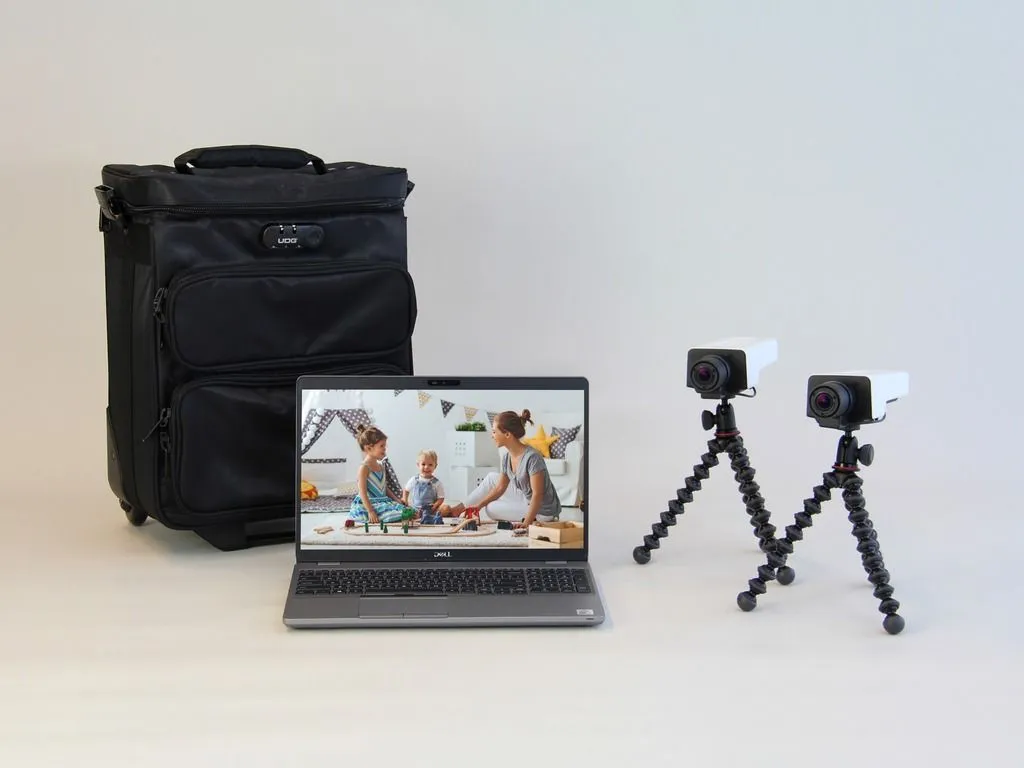
Portable lab
A portable observation lab with mobile equipment allows studies in diverse real-world settings, capturing authentic behaviors and interactions for comprehensive analysis.
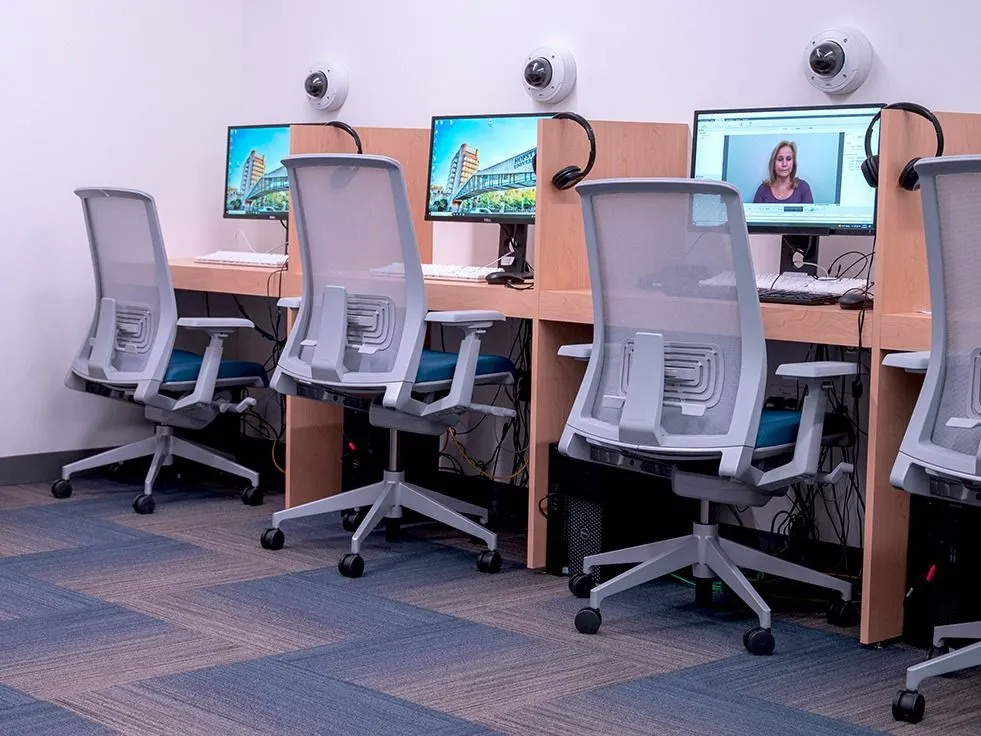
User experience lab
Noldus provides both UX testing tools and complete user experience labs, designed to help understand how products are used and how they can be improved based on real user feedback and insights.
Buyer’s guide to the perfect audiovisual lab
Free buyer's guide
- What is an audiovisual lab?
- What do you need to complete your setup?
- How does an audiovisual lab help you answer your research questions?
Read more on multimodal and behavioral research
Integrating multiple data modalities
Do you need to import, synchronize, and analyze data from different streams? Get a more complete picture of behavioral observations: request your copy of our white paper on integrating multiple data modalities such as facial expressions, physiology, and eye tracking.
Eye tracking & emotion analysis
Emotions are what makes us human, and we all experience them. Both eye tracking and facial expression analysis add substantial power to your research by providing information about attention, emotion and decision-making. Download our white paper on eye-tracking and FaceReader.
How to build an audiovisual lab
Are you looking for enhanced observation capabilities? An audiovisual lab is designed to allow you to observe your test participants unobtrusively. Learn more how to set up an AV lab with our free white paper: just click on 'Read now' for instant access!
Don't know where to start?
We're happy to help
Book a meeting for an online or onsite session.
Together, we can discuss you research requirements and come up with the best solution!