From psychology to education, consumer behavior, or infant research, facial expressions provide you valuable insights into human emotions. With FaceReader, you can explore how people feel and react in real time, across settings like classrooms, usability labs, test facilities, or developmental labs working with infants.
The software helps you uncover hidden emotional patterns and connect facial expressions to behavior, decisions, and experiences in a fast, reliable way.
Emotions influence our behavior — from deciding what to eat and whether to buy a product to our interactions with others. Including emotion analysis in your research helps you gain more insights into these complex behaviors. Researchers in the field of psychology study different aspects of human behavior. This includes topics such as children's development, parent-child interaction, mental disorders, and much more. Consumer behavior research is focused on learning how people make decisions. This type of research provides key insights into consumer preferences and buying behaviors. Neuroscience research investigates the structure, function, and development of the nervous system, with a particular focus on the brain. This drives advancements in therapies for neurological disorders. UX research improves the overall experience when using products or services. Human factors researchers aim to optimize design of products, processes, and systems to improve safety and productivity. FaceReader offers the functionality to measure Action Units — muscle groups in the face that are responsible for facial expressions. This unique feature in FaceReader distinguishes the intensity of the active muscles at the left and the right side of the face separately. You can also use Action Units and other variables to design your own algorithms. This allows you to analyze states such as workload, pain, or embarrassment. In a validation study, we compared FaceReader's face modeling abilities in facial images of people from seven ethnicities. These images came from the FairFace Face Attribution Dataset. The results showed that FaceReader records the primary reactions of test subjects without any bias. In other words, the software models all faces equally, regardless of ethnicity. The Social Media Lab in Mons, Belgium brings people from different disciplines together. From communication and marketing to journalism, computer science and more. Researchers at the Social Media Lab analyze how users interact with social media. This helps companies to identify their customers' needs and implement new tools. Discover how FaceReader benefits their research! Neuroscience research shows that emotions are created in our brains. It's how our brains give meaning to our experiences and sensations. Are you looking for guidance in getting started with your facial expression analysis? Read about the 7 essential things you need to know. What if you had a way to understand a baby's unspoken needs? This study highlights the benefits of analyzing facial expressions in infants.What can I use FaceReader for?
FaceReader applications

Emotion analysis

Psychology research

Consumer behavior
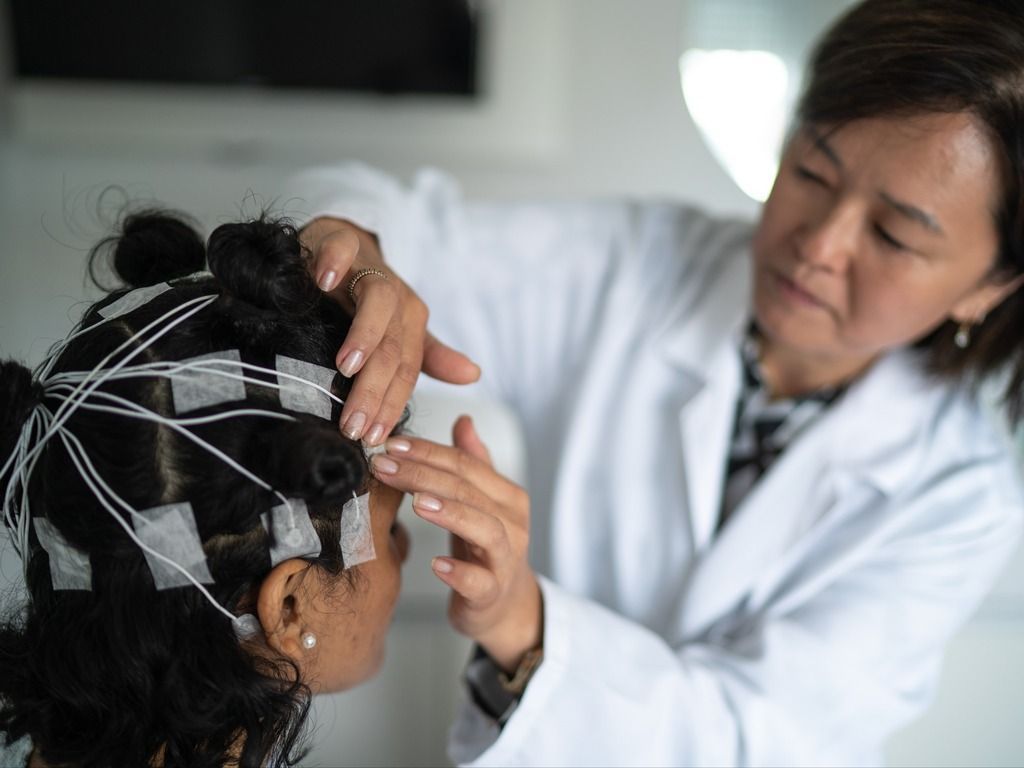
Neuroscience

User experience & human factors
Detailed facial expressions
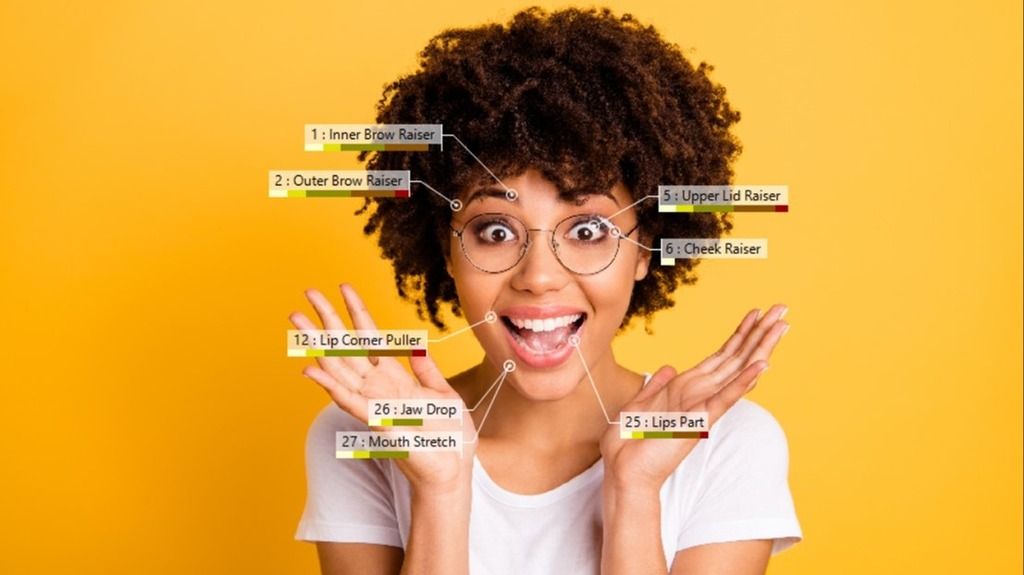
Create custom expressions
Unbiased face modeling
Accurate modeling for all ethnicities
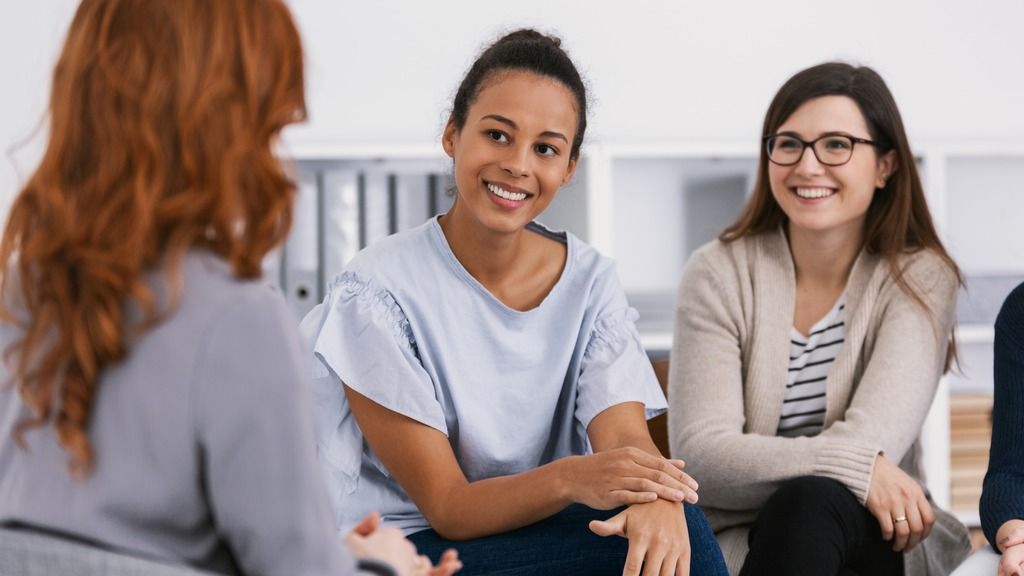
Studying user behavior with FaceReader
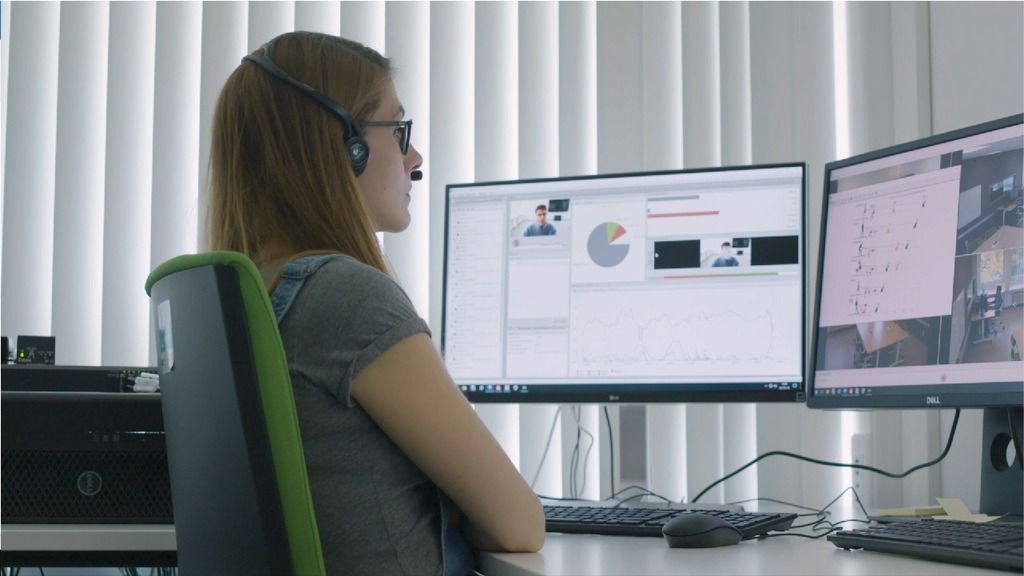
Studying user experiences
Featured blog posts
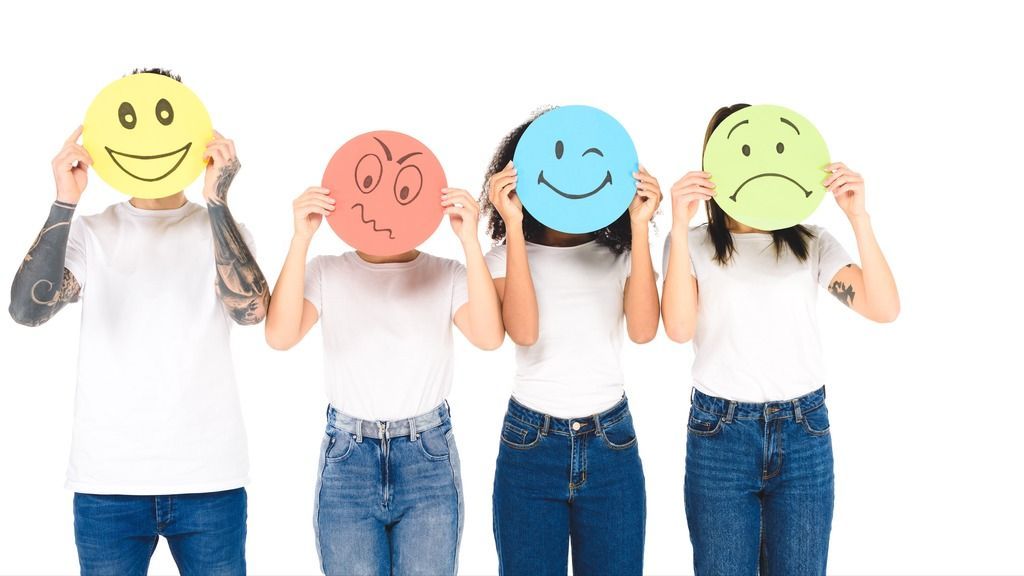
How emotions are made
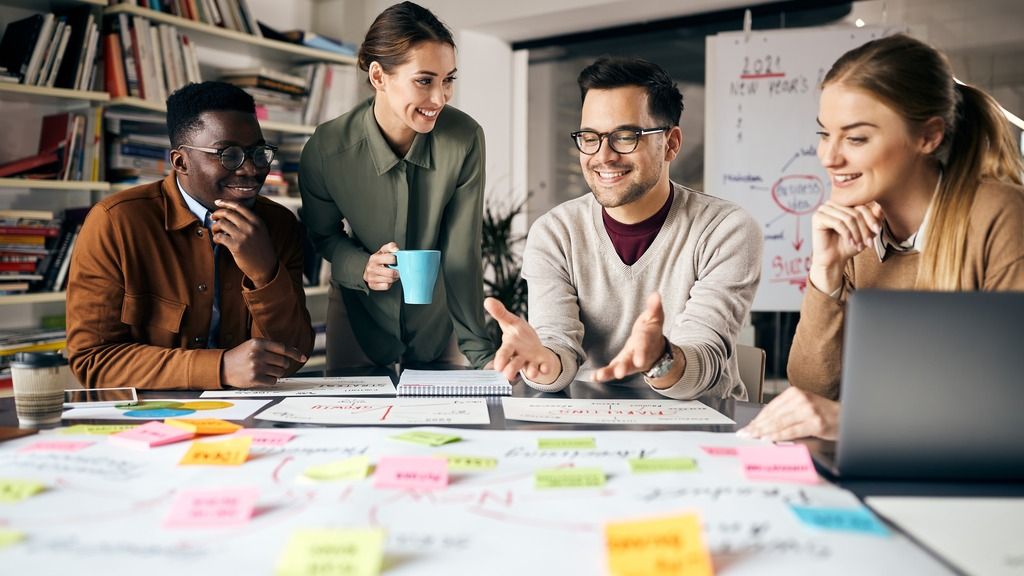
7 things you need to know about FaceReader
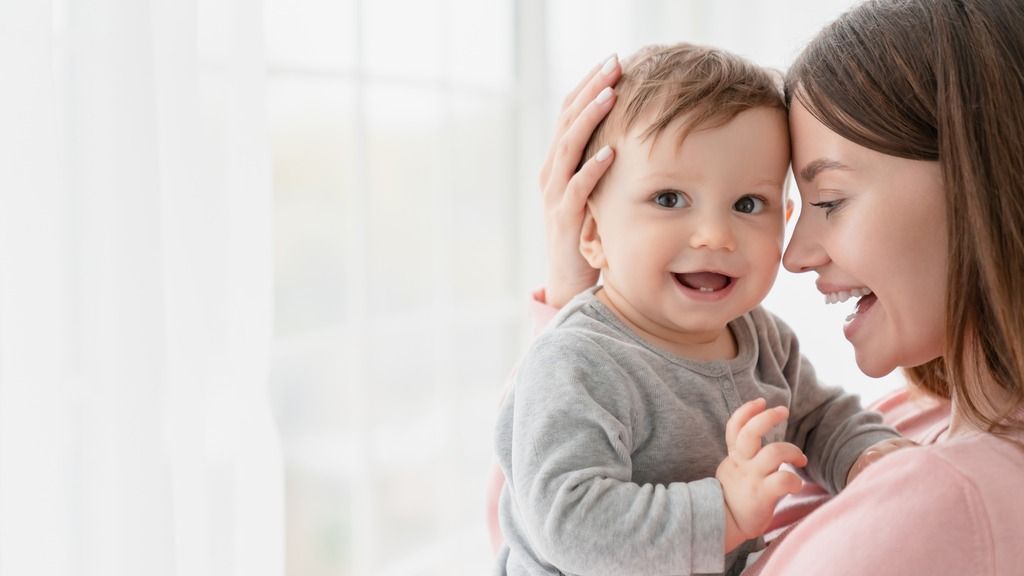
Using Baby FaceReader for automated analysis of infant emotions
 Purdue University
 Harvard University
 TNO
TNO
 University of Washington
 Danish Technological Institute
 Universität Leipzig
 B-com
B-com
 WUR
WUR
 LSE
Purdue University
Harvard University
TNO
University of Washington
Danish Technological Institute
Universität Leipzig
B-com
WUR
LSE
LSE
Purdue University
Harvard University
TNO
University of Washington
Danish Technological Institute
Universität Leipzig
B-com
WUR
LSE
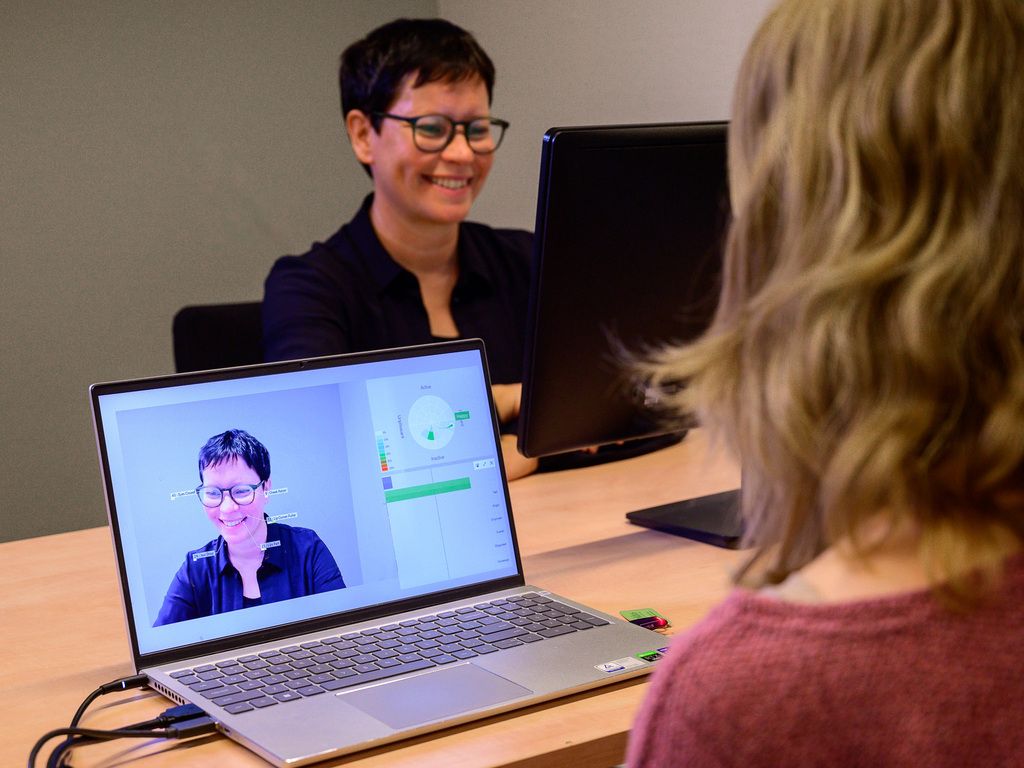
Want more info?
Curious about this product but not ready to decide yet? Just let us know what you need: more information, a price quote, a free trial, a demo, or an online meeting with one of our specialists. We're here to help you with the next steps to finding your solution.
Thank you!
We will get back to you within one business day.
Thank you!
We'll get back to you shortly.
Please correct the following errors:
Thank you for registering!
We look forward to seeing you at the NoldusViso launch event.
Please correct the following errors: