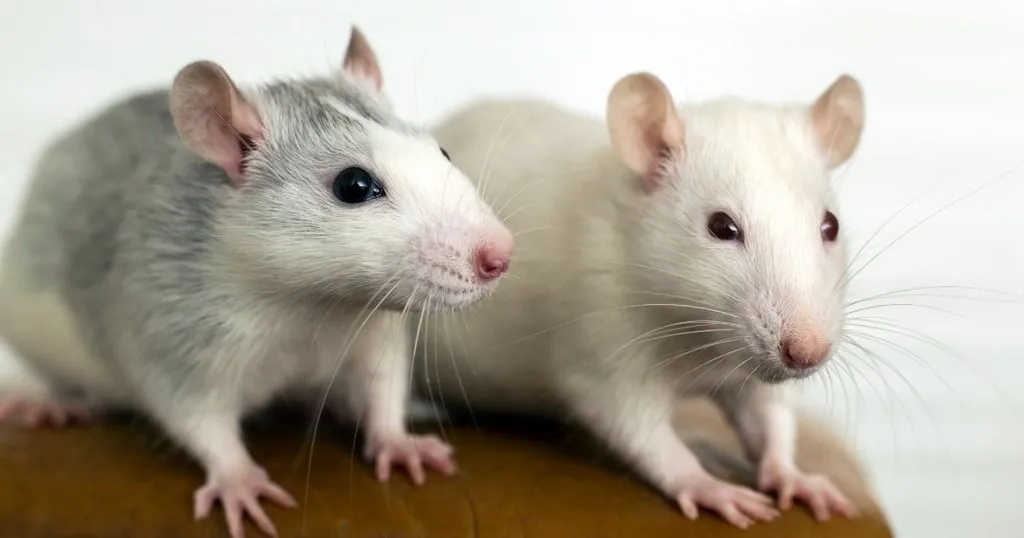
Gender differences in rodent research
Gender differences matter in research. Many studies focus on male mice, but female representation is crucial for accurate, inclusive, and impactful science.
Read More arrow_forwardNoldus phenotyper home cage monitoring to address the reproducibility crisis abd the use of EthoVision XT to measure behavior.
Noldus is here to advance your research. This is not only realized through innovative technology, but academic contributions as well. Last week a multi-author review of PhenoTyper studies has been published in Frontiers in Behavioral Neuroscience, which is a co-production of 29 authors with a team of experts on home cage behavior from Noldus.
Grieco et al [1] address the reproducibility crisis (or replication crisis) in biomedical research, diving into several known and unknown sources of confounding environmental factors that add variance. This often leads to the inability of reproducing, or duplicating, the results of a prior study. Two major contributors to this are human interference and novelty-induced anxiety.
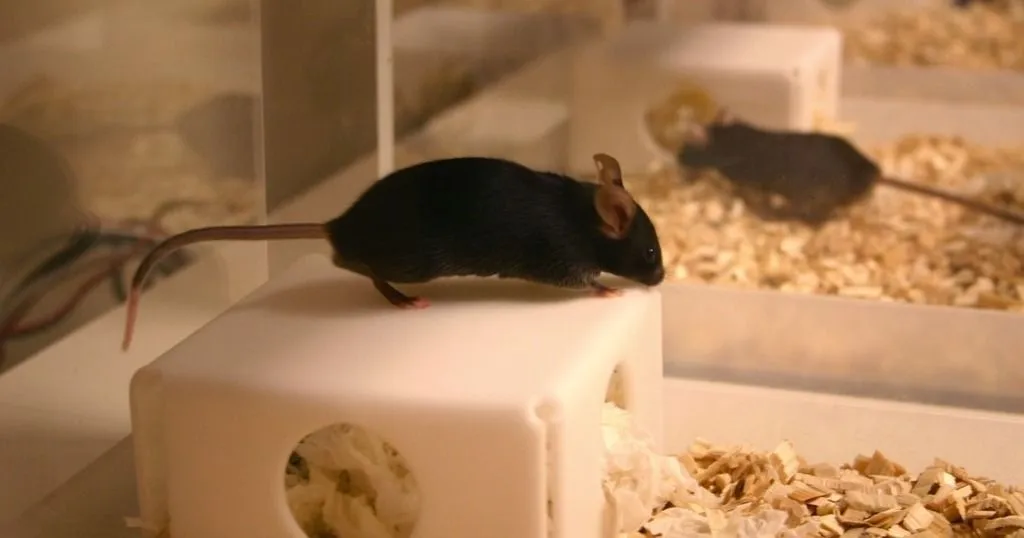
To ameliorate this, automated home-cage monitoring systems like Noldus’ PhenoTyper have been developed that integrates with the powerful video-based tracking software: EthoVision XT. This makes it possible to perform prolonged and longitudinal recordings, providing information of spontaneous behavior that can be analyzed across multiple time scales and extracting digital biomarkers of motor, emotional, social and cognitive behavior.


Image from Grieco et al [1]. Home cage monitoring system with cogition wall
This out-of-cage principal has been considered to be the standard in behavioral testing. However, these “standard” tests, like the open field or elevated plus maze, only capture brief behavioral snapshots at pre-determined time-points. Home cage monitoring allows for continuous monitoring of behavior, adding an incredible amount of resolution to the behavioral output. Minor observations such as body posture changes and/or interaction with stimulus devices in the cage that are not observable with standard (short) tests can be included in the output with home cage monitoring. Also, previously unknown (pharmacological or genetic) models can be thoroughly phenotyped.
Inter- and intra-laboratory variation needs attention according to the authors of this paper. There is a long list of environmental variables that researchers want to control: temperature, humidity, cage type, cage cleaning, position of cage, housing room, smells, experimental designs, handling, lighting, time of day, order of testing, to name a few. The scope of these variables can be daunting when setting up an animal experiment, and does cause a lot of variation, even between similar studies performed in the same lab.
Home cage monitoring is aimed at limiting experimenter interactions and using uniform protocols. Handling of the animals for example is such an interaction and has a major impact on anxiety. The PhenoTyper has already facilitated reproducibility of activity-related (but not anxiety-related) phenotypes in the open field test, showing that it does eliminate environmental factors influencing reliability.

1. Grieco, F. et al. (2021). Measuring Behavior in the Home Cage: Study Design, Applications, Challenges, and Perspectives. Front. Behav. Neurosci., 15:735387.
Gender differences matter in research. Many studies focus on male mice, but female representation is crucial for accurate, inclusive, and impactful science.
Read More arrow_forward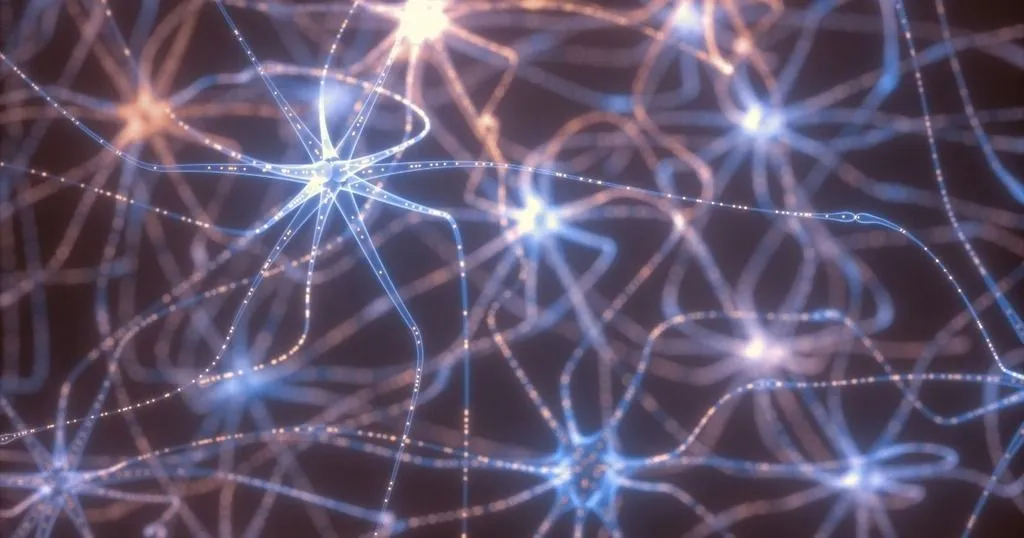
What is calcium imaging, and how can you this technique to get a better understanding of complex rodent behavior? Read more about the basic principles and benefits of calcium imaging
Read More arrow_forward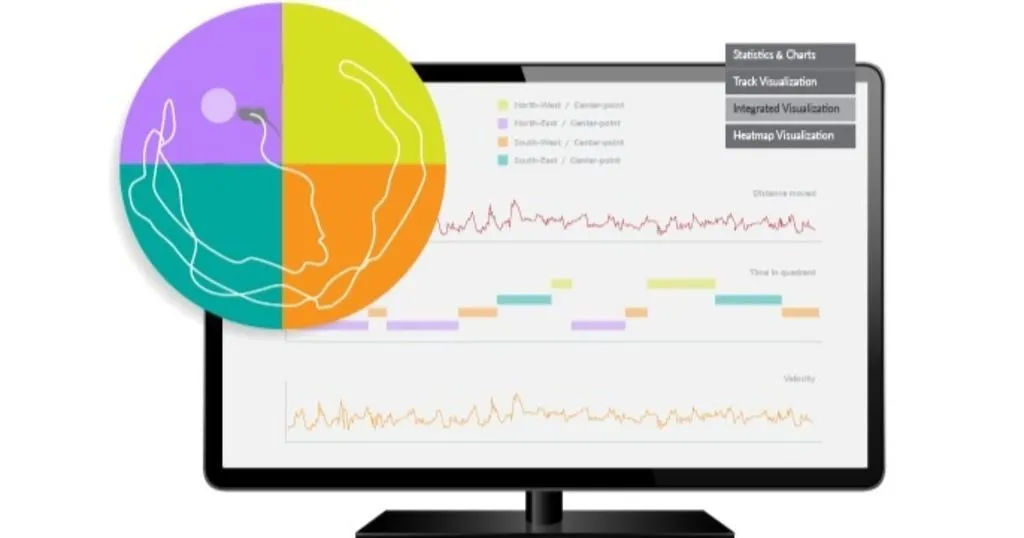
Why spend extra time on tedious tasks? Instead of manually checking behavior tracking data for errors, streamline your workflow with the right tools. Gain accurate insights effortlessly and focus on what truly matters: your research and discoveries.
Read More arrow_forwardWe'll get back to you shortly.
Please correct the following errors:
We look forward to seeing you at the NoldusViso launch event.
Please correct the following errors: