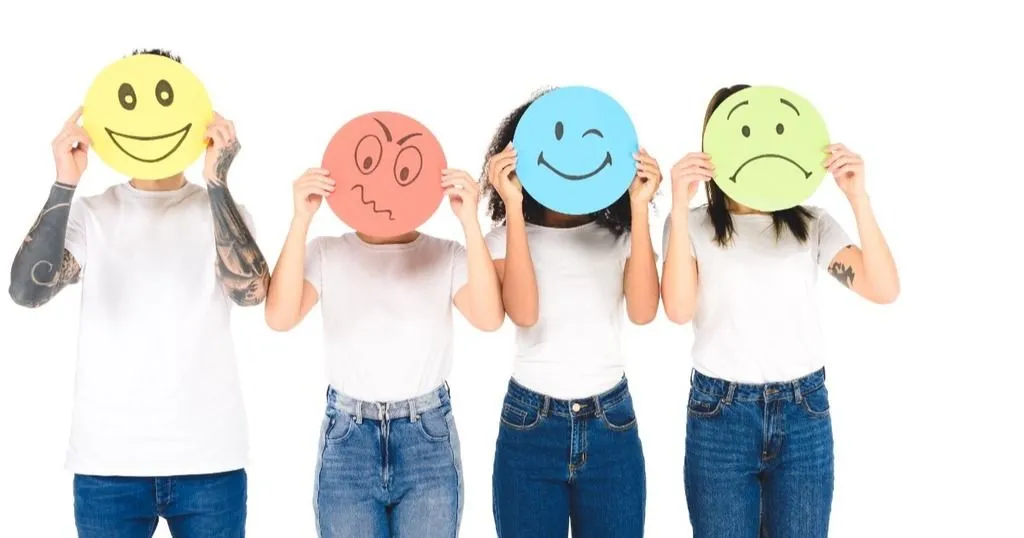
How emotions are made
Neuroscience research in the past decades has shown that our brain gives meaning to our experiences and sensations, through concepts such as emotions.
Read More arrow_forwardThe world’s foremost leaders in psychosomatic science and related disciplines, come to the annual APS meeting to share their most recent research findings.
By Stefanie Duijndam MSc, GO-LAB, Department of Medical & Clinical Psychology. Tilburg University
This year, the American Psychosomatic Society (APS) celebrates its 75th anniversary. The world's foremost leaders in psychosomatic science and related disciplines, including genetics, neuroscience, and cardiology, come to the annual APS meeting to share their most recent research findings. Although an American society by origin, every 5 years, the society's meeting moves to Europe, and this year the meeting was held in Sevilla, Spain.
This year's meeting theme was "Mobilizing Technology to Advance Biobehavioral Science and Health". More and more, research is dependent upon new technologies, but with these advancements in technology we may also lose sight of patient wishes and needs. It is therefore very important to discuss and show new developments in health and research technology, and at the same time be critical of these developments.
Besides very interesting symposia about newly created technology, such as apps to treat depression or anxiety, there was also a demonstration session, during which technology could be shown. Our research group from Tilburg University's Behavioral Physiology lab (GO-LAB) did not want to pass this opportunity by to show the world what we are using to collect our data. One of our most used software systems is Noldus' FaceReader, which we were invited to demonstrate during the meeting.
The mission of APS is to advance and integrate the scientific study of biological, psychological, behavioral and social factors in health and disease. The expression of emotions plays a very significant part in this. Research has shown that emotions and physiology are closely linked. The way in which people regulate their emotions or cope with their emotions has a large influence on the autonomic nervous system.
For example, when we suppress our emotions, an increase in heart rate may be observed. At GO-LAB, we are currently working on combining physiological data with both subjective and objective measurements of emotions or facial expressions. We wanted to show the APS community FaceReader's amazing possibilities and efficient replacement of manual coding procedures.
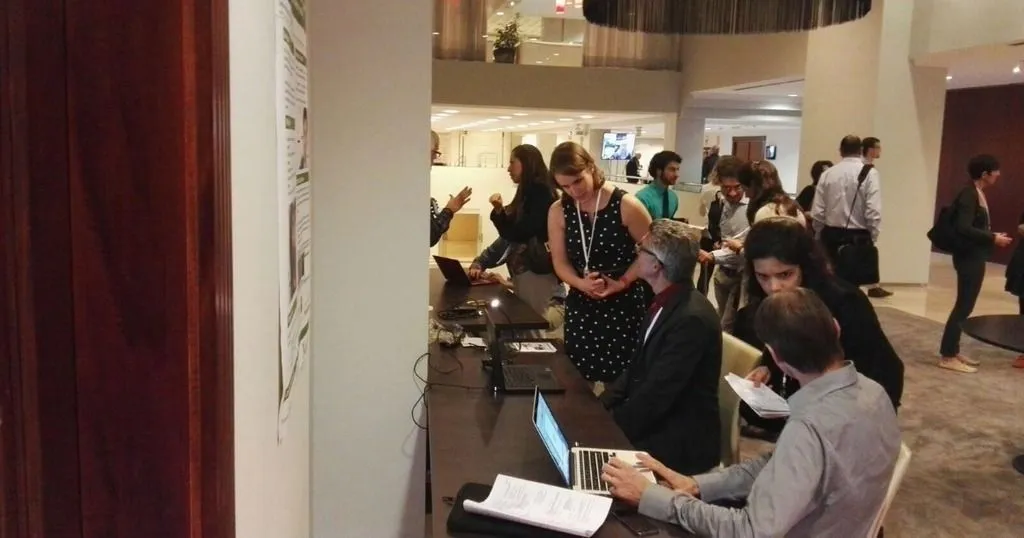
On Thursday March 17th, 2017 from 6-8pm the technology demonstration session took place, during which three research groups were presenting their technology. A large poster explaining the features of FaceReader was placed on the wall to attract the audience. Many researchers were interested in what we had to say, and in the two hours demonstration period, there was not a single moment that we were not talking.
We demonstrated FaceReader by letting the researchers sit in front of the camera. We then started an experiment, in which the people had to mimic the emotions that were shown on the screen. Afterwards we would look at the video and show them how FaceReader measured their facial expressions.
People were surprised to see how well this system works! By showing them the intensity of the emotion displayed, and also focusing on the facial action units, people were very enthusiastic and wanted to know more about the software. Among these researchers were also experienced manual FACS coders, who were enthusiastic about its efficiency and detail.
RESOURCES
Find out how FaceReader is used in a wide range of studies and how it can elevate your research!
Some researchers were so interested in the system that they wanted contact information to perhaps order the system themselves. There were even some amazing collaboration ideas. For example, online mental health care is a rapid growing field. Researchers wondered whether they could use video material during online sessions and then use these videos for facial expression recognition. It seemed that a lot of people were interested in whether they could use the system for clinical practice.
Nowadays, FaceReader is used mostly for research purposes, but in our opinion it can most definitely be implemented in clinical practice as well.
We had a very successful and fun event at APS and we have definitely made people enthusiastic about the product. Hopefully we will see more and more (psychosomatic) publications in which the FaceReader is used. Our first publication on FaceReader is expected later this year.
Neuroscience research in the past decades has shown that our brain gives meaning to our experiences and sensations, through concepts such as emotions.
Read More arrow_forward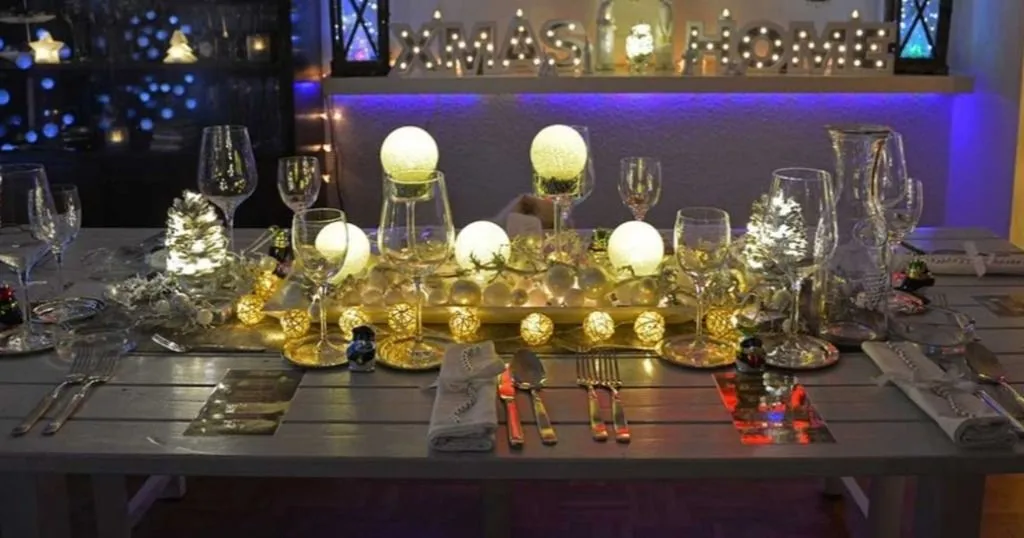
Think about some of your favorite holiday foods – what are they? Maybe gingerbread, candy canes, or pies?
Read More arrow_forward
Studies show that people with anorexia nervosa have reduced facial expressivity of emotions while viewing emotionally provoking stimuli. Researcher Leppanen and her team used FaceReader to investigate this.
Read More arrow_forwardWe'll get back to you shortly.
Please correct the following errors:
We look forward to seeing you at the NoldusViso launch event.
Please correct the following errors: