Animal Behavior Research Blog Posts
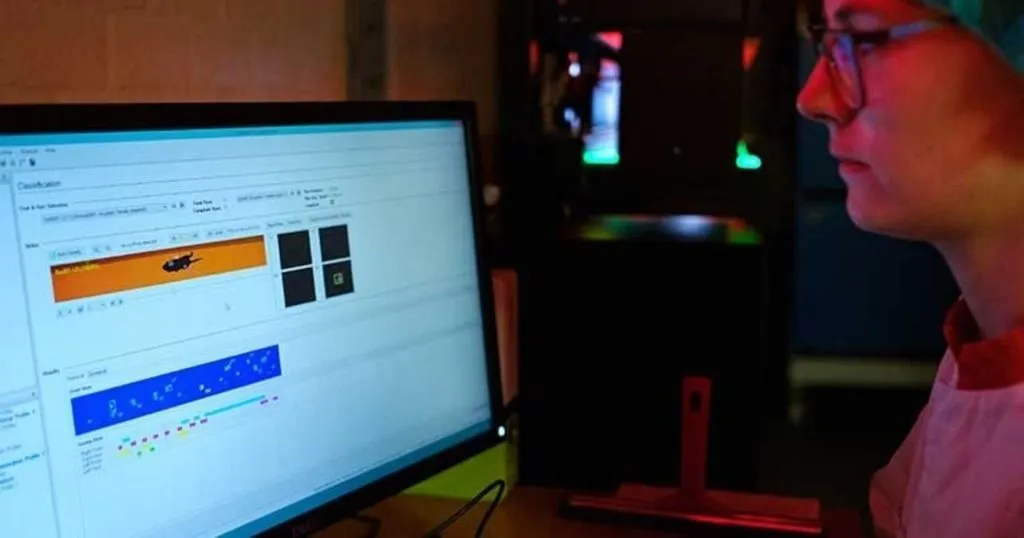
Understanding phase dispersion in CatWalk
CatWalk 10.7 introduced circular graphs for phase dispersion and coupling. In this blog post we go over these parameters, and how they are calculated so you can see how to interpret values, run statistics, and report results.
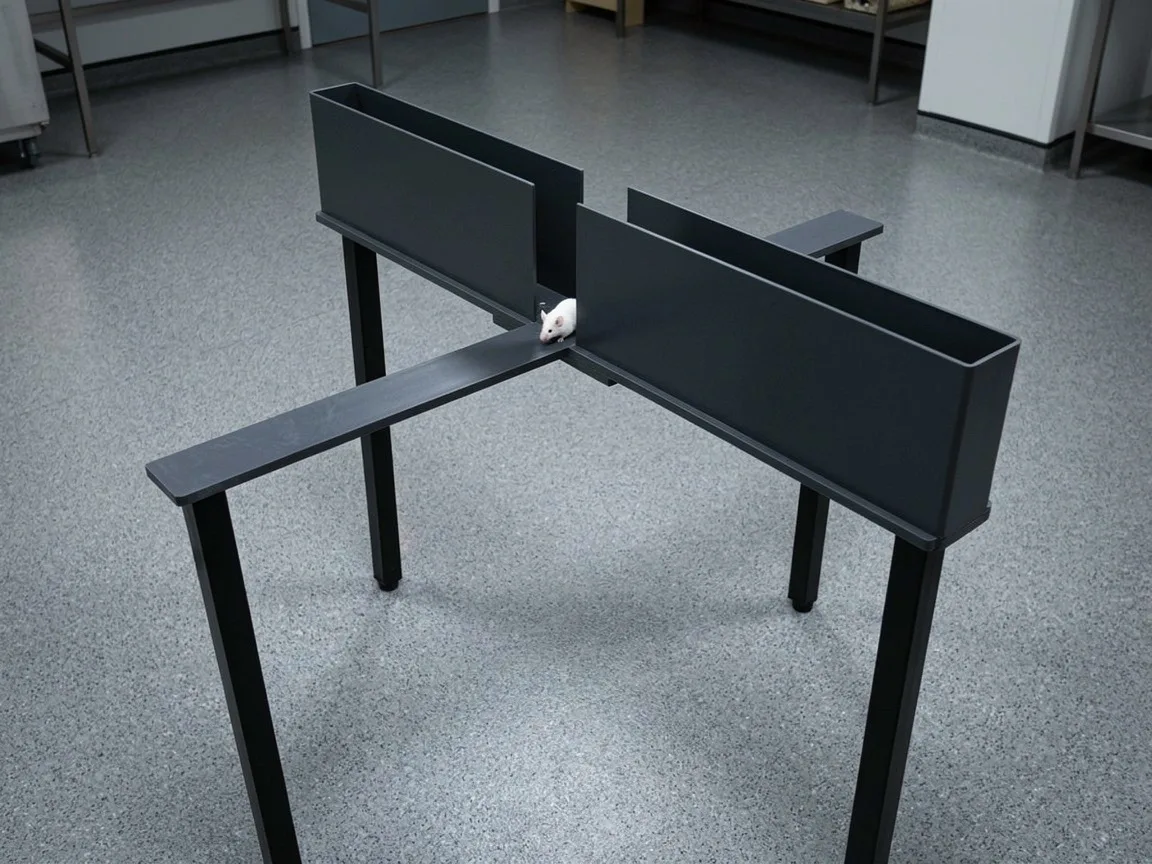
To hide or explore? What the elevated plus maze reveals about anxiety
A raised, plus-shaped platform with two arms walled in and two arms open. In this blog we explain what the elevated plus maze measures, look at how labs are pairing it with EthoVision, and share practical tips.
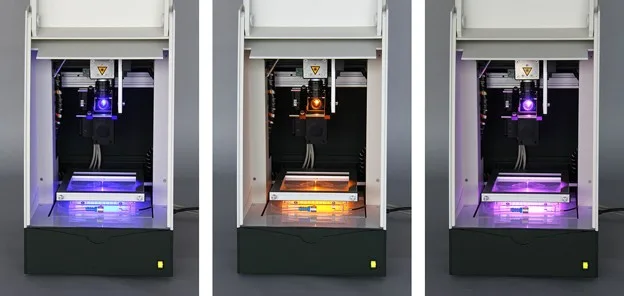
Optogenetics: using light to study the brain and behavior
Learn how optogenetics uses light to study brain activity, from its inception to where the technology stands today.
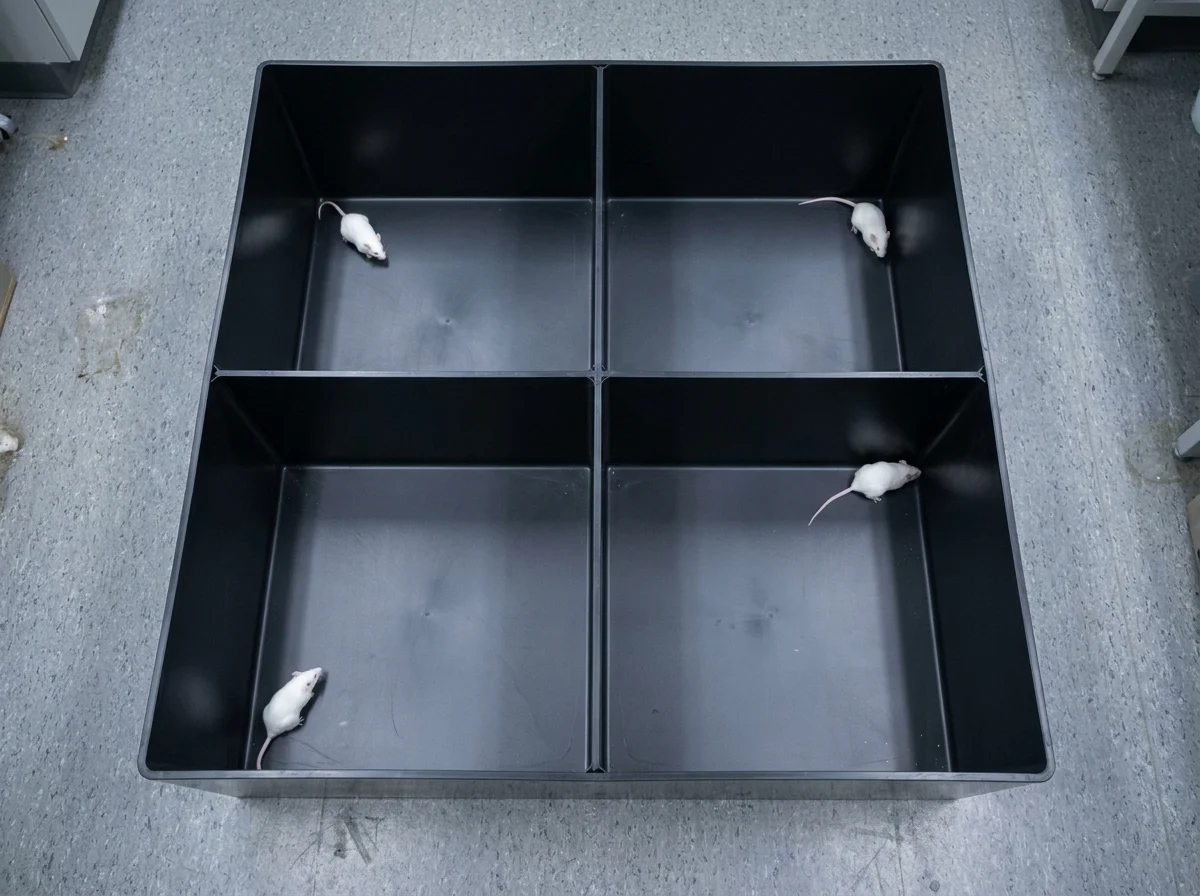
Free to roam: the open field test is a behavioral staple
Researchers reach for the open field test for many different goals: a general locomotor screening, an anxiety readout. In this blog we explore what it measures, how recent studies are using it, and how to set it up in your lab with EthoVision.
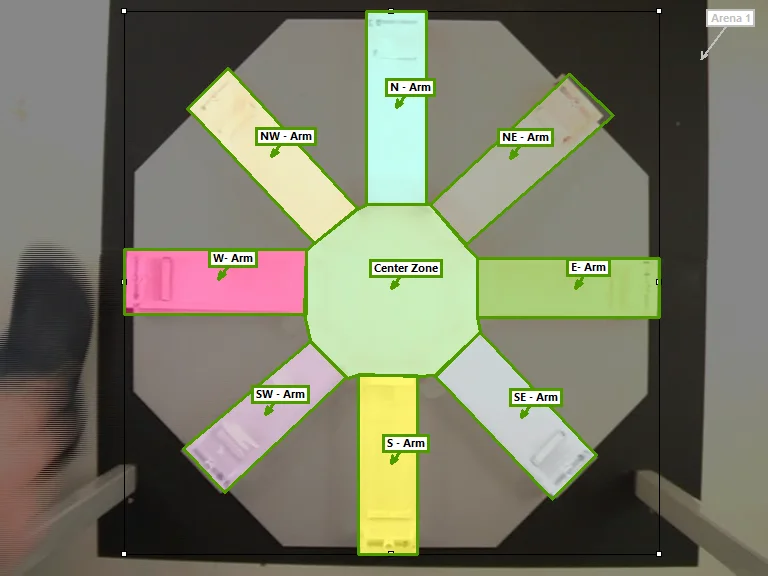
Counting the choices: what the radial arm maze teaches us
The radial arm maze asks a rodent to remember eight paths at once, without doubling back. We look at how it works, what recent studies discover, and how automated tracking turns each run into precise data.
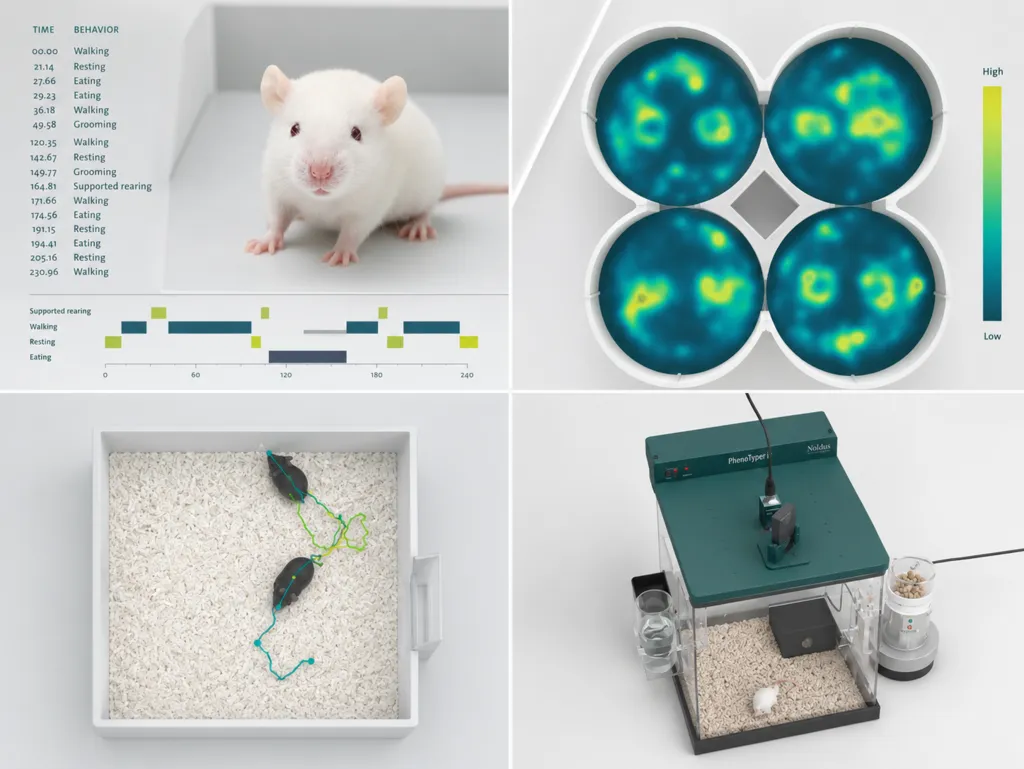
EthoVision vs. DeepLabCut: Why the answer Is often both
EthoVision and DeepLabCut were built to solve different problems. This guide lays out what each tool does best, where they overlap, and how to decide which belongs in your behavioral research pipeline.
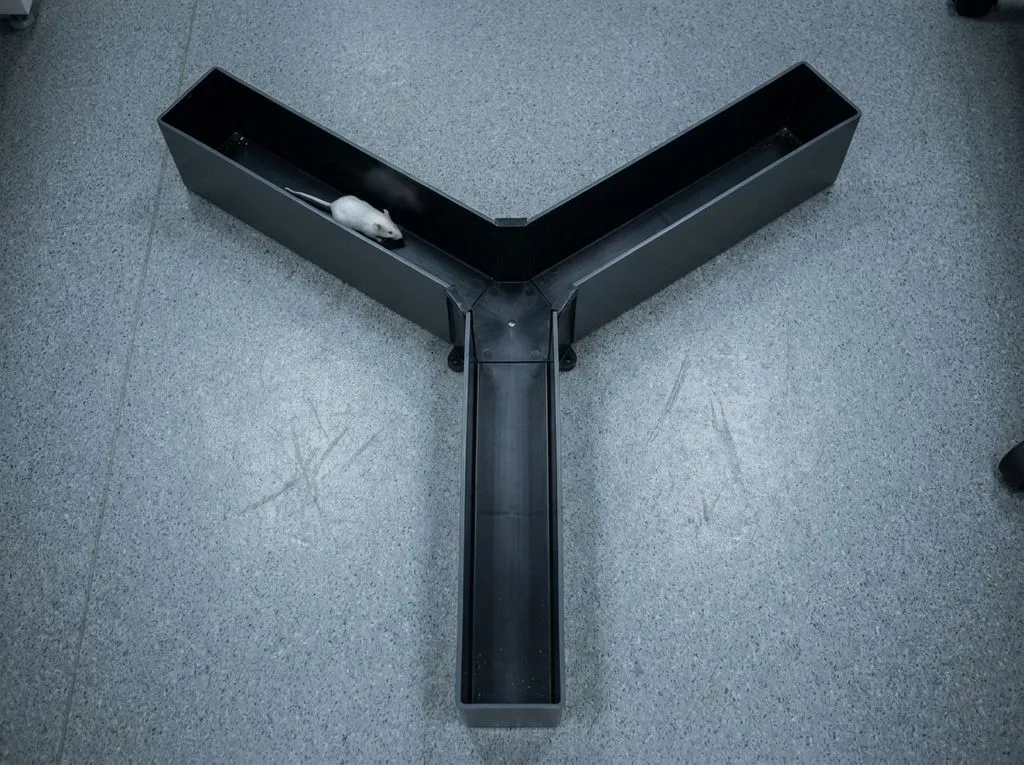
Three arms, one decision: the Y-maze for learning and memory
The Y-maze is one of the most efficient tools for studying spatial and working memory. Learn how automated tracking transforms arm entries into clean, objective data across rodent and zebrafish models.
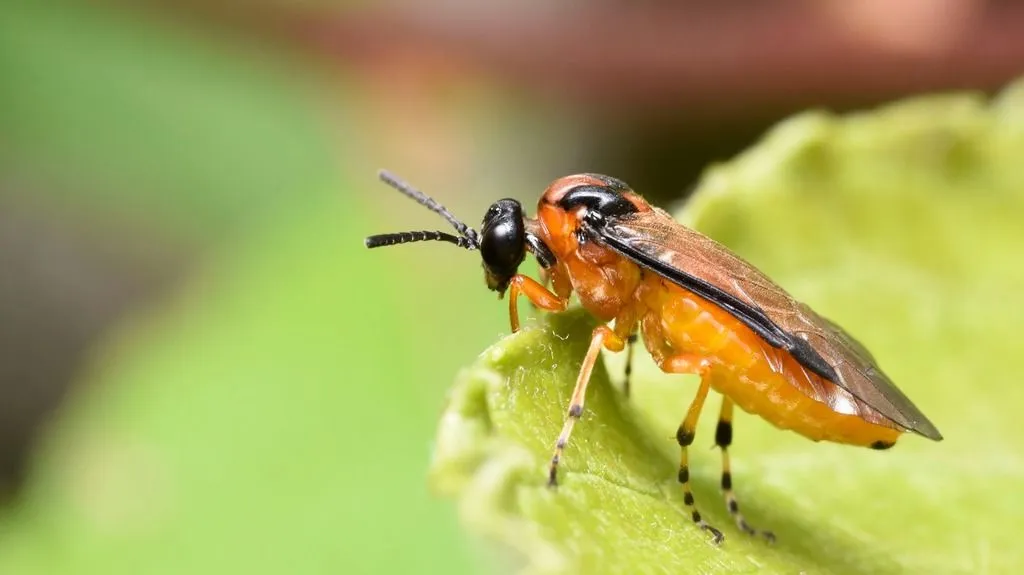
Lasting effects: studying early-life experience in insects
Physiology and behavior can buckle under stress. Stressors experienced early in life may even have long-lasting effects. Because of their life span, insects are a very interesting model to test these effects in detail.
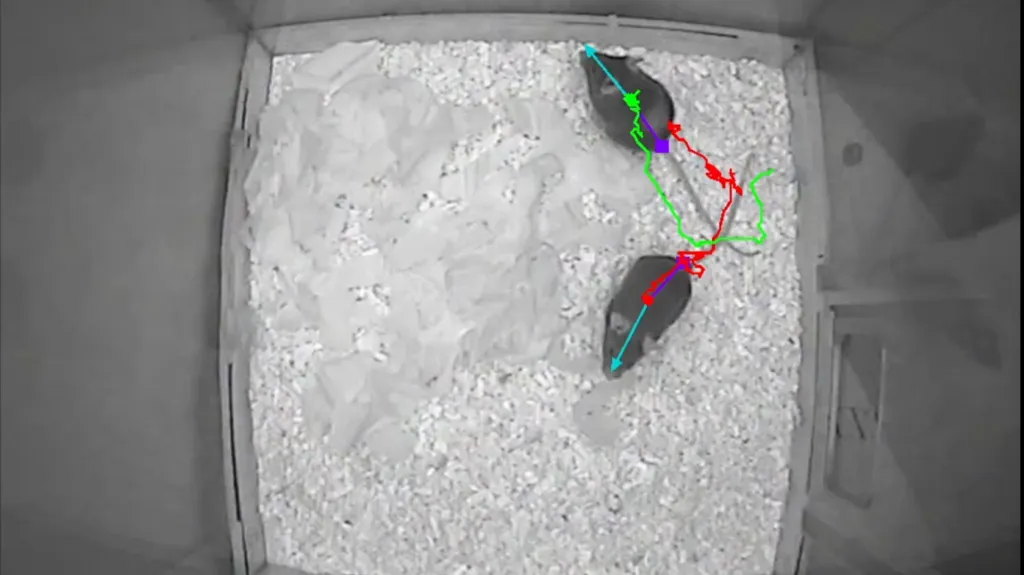
Measuring social behavior in rodents: the power of EthoVision
Traditional behavioral assays of multiple animals often rely on manual or rudimentary methods. With EthoVision the world of measuring social behavior in rodents has been revolutionized. Read more in this why EthoVision is the best out of the box tracker.
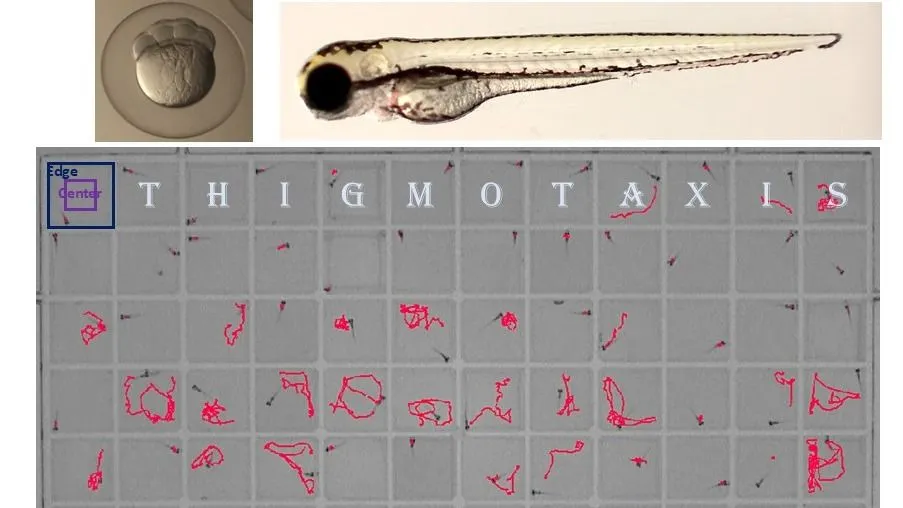
A personal journey in behavioral analysis: Thigmotaxis with DanioFlow
Dr. Torres-Ruiz has developed a tool for analyze EthoVision data. Her program takes data and transforms it into simplified harmonized data for studying thigmotaxis in zebrafish. However, there is much more that could be achieved with DanioFlow.

Noldus on the Road: animal conferences in 2026
In 2026, Noldus will be attending conferences across behavior and neuroscience research, including events focused on rodents, zebrafish, and more. Visit us to connect with the team, discuss your setup, and get a first look at what we are developing next.
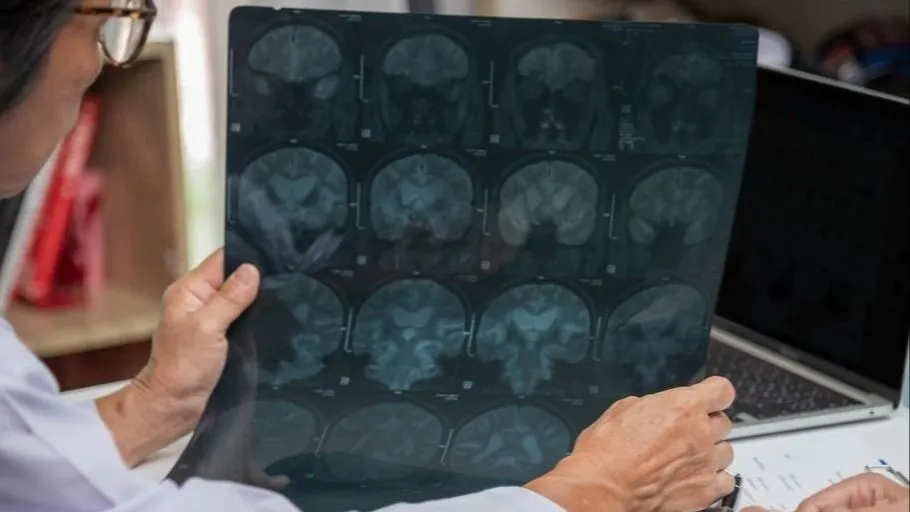
Understanding epilepsy through a new mouse model
A new Frontiers in Molecular Neuroscience publication, coauthored by Noldus’ Jason Rogers, examines whether a very small cortical disruption can generate epilepsy. The study sought to explore how focal changes shape both neural function and behavior.
Thank you!
We'll get back to you shortly.
Please correct the following errors:
Thank you for registering!
We look forward to seeing you at the NoldusViso launch event.
Please correct the following errors: