A guest blog post by Elske de Haas, Ph.D.
Fear and stress
Being fearful is a state which most humans have experienced at some point in their life. By being easily frightened and anxious, many species show to be very sensitive to stress. Many studies have shown that anxiety can be influenced by the neurophysiological characteristics of an individual.
It appears that heightened levels of corticosterone as well as low levels of serotonin constitute to many neuro-pathological disorders, such as depression and obsessive compulsive disorder (OCD).
To chicken out
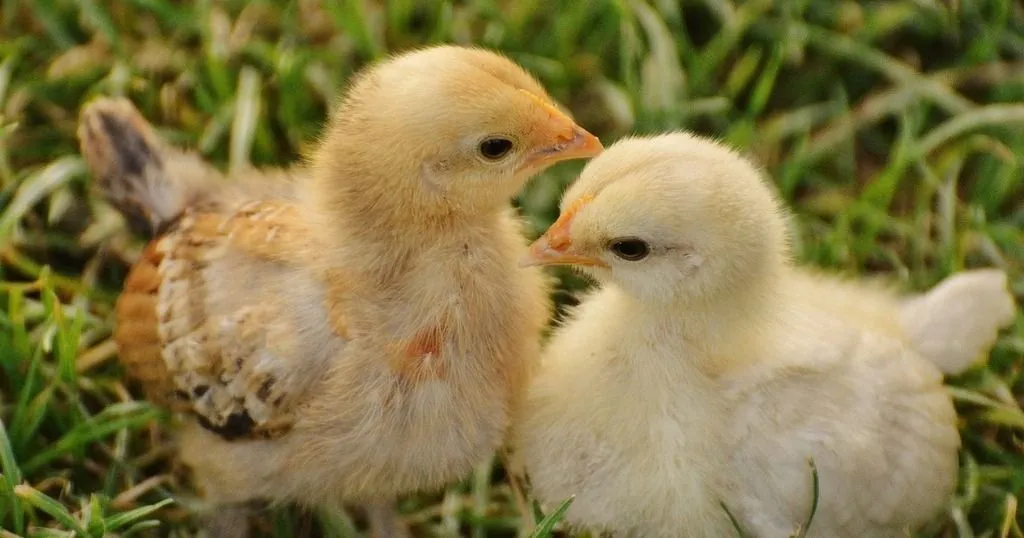
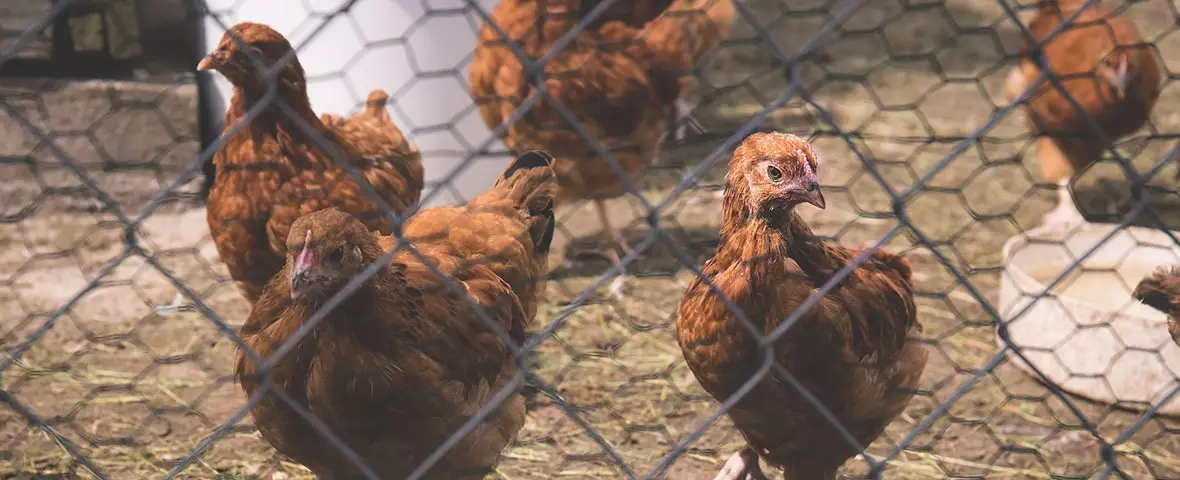
We studied the domesticated laying hen chicken (Gallus Gallus domesticus), and found that levels of serotonin coincide with high levels of anxiety and development of feather pecking, a maladaptive behavior which shows similarities with the human OCD trichotillomania [1,2]. We used the Observer XT to assess fearful behavior of young chickens inside the Open Field.
The chickens that responded highly fearful were found to be more reactive to stress at an adult age. The level of corticosterone (a hormone involved in the flight-fight response) was elevated in fearful chickens compared to non-fearful chickens.
Contagious stress?
We further studied the influence fearful chickens may have on their group members. As can be imagined, a highly stressful individual may affect its group mates. Indeed, we found that the group members of fearful chickens were exhibiting higher levels of corticosterone compared to group members of groups with no fearful chicken present.
How this exactly works remains to be further studied. But we did find some evidence that activity patterns differ in fearful and non-fearful animals whereby potentially the fearful animals influence the whole group. When using the Observer Package on a PSION Workabout for home-pen behavior activity of individuals, by means of scan sampling.
We found that fearful chickens are significantly more active than non-fearful chickens. Evidence was also found that if in a group more aggressive interactions took place this also led to higher stress levels [3].
RESOURCES
Read more about The Observer XT
Find out how The Observer XT is used in a wide range of studies and how it can elevate your research!
-
check_circle
Free white papers and case studies
-
check_circle
Customer success stories
-
check_circle
Recent blog posts
Resources
arrow_forward
References
- 1.E.N. de Haas, B. Kemp, J.E. Bolhuis, T. Groothuis, T.B. Rodenburg, 2013. Fear, stress, and feather pecking in commercial white and brown laying hen parent-stock flocks and their relationships with production parameters. Poultry Science, 92, 9, 2259-2269.
- 2.M.S. Kops, E.N de Haas, T.B. Rodenburg, E.D. Ellen, G.A.H. Korte-Bouws, B. Olivier, O. Güntürkün, J.E. Bolhuis, S.M. Korte, 2013. Physiology & Behavior, 120, 3, 77-82.
- 3.E.N de Haas, M.S Kops, J.E. Bolhuis, T.G.G. Groothuis, E.D. Ellen, T Bas Rodenburg, 2012. The relation between fearfulness in young and stress-response in adult laying hens, on individual and group level. Physiology & Behavior, 107, 3, 433-439.
Elske, thank you so much for providing us with the details of your study and a free case study for everyone to download!