English
 German
 French
 Italian
 Spanish
 Chinese
Tools for
Zebrafish video tracking
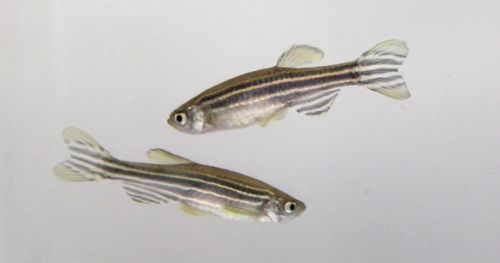
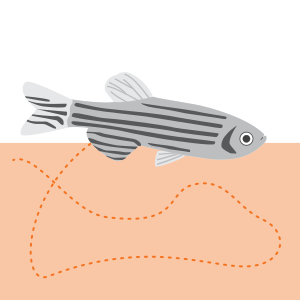
Video tracking is the ideal tool for zebrafish behavior studies. Social interaction tracking, anxiety-like behavior, exploration, swimming patterns, or just general activity, all is easily measured in both adults and larvae with EthoVision XT video tracking and additional tools such as DanioVision or aquatic mazes.
What is video tracking?
Video tracking means that the software is able to detect the zebrafish in a video file or from a live video feed, distinguish it from its background, and track its whereabouts and movements. It tracks and analyzes the behavior, movement, and activity of zebrafish. Video tracking technology is versatile and enough to be very useful in many different behavioral tests.
EthoVision XT, the most widely applied video tracking software, has been around for more than 25 years, and during these years it has evolved from video tracking software into a software platform, designed to be at the core of your lab.
Neurobiology and behavior
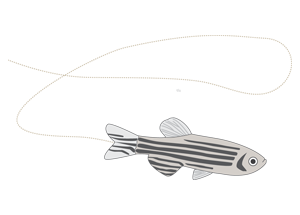
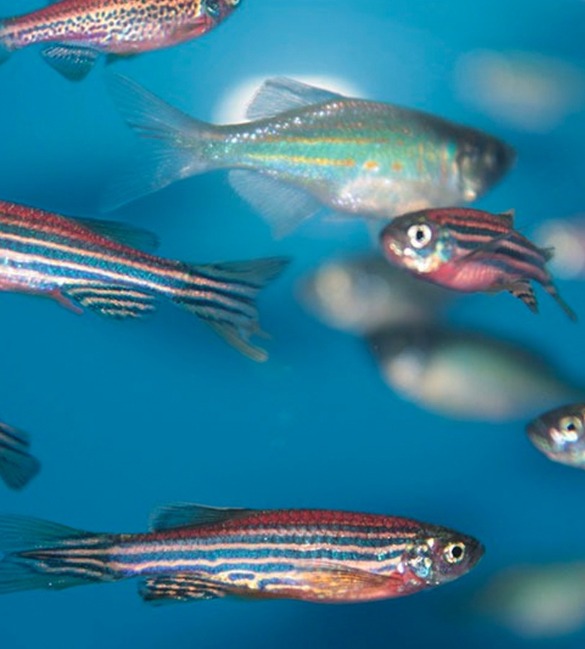
The zebrafish has become an important vertebrate model to study (developmental) neurobiology and behavior, not in the least because of recent improvements in transgenic, optogenetic and imaging techniques, and behavioral assays.
Toxicology
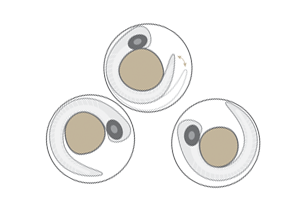
To protect human health, wildlife, and the environment, the effects of naturally occurring and synthetic contaminants need to be monitored. In particular, mechanisms through which toxins cause disease are often poorly understood. Zebrafish are valuable in these types of studies for many reasons.
Translational research
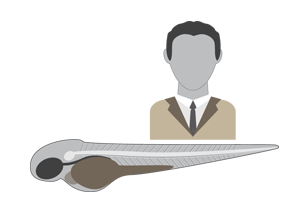
Researchers have unraveled the molecular basis of many human disorders, and a very large part (over 80 percent) of the genes we know to be associated with human disease (e.g. Parkinson’s and addiction) have homologues in zebrafish.




Trusted by researchers around the world
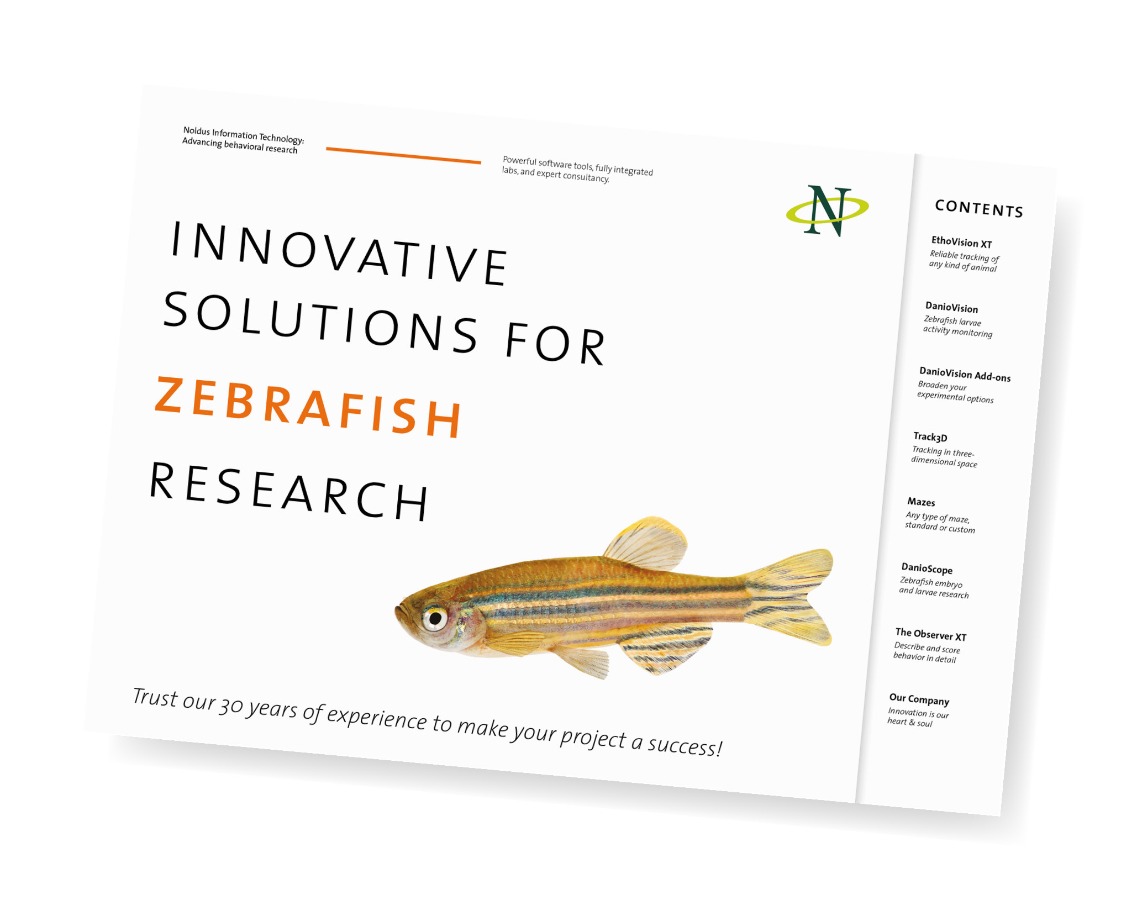
Tools for zebrafish research
We have a wide range of tools for all kinds of behavioral tests for zebrafish. From software to measure activity, heartbeat, and flow in embryos and larvae, to video tracking the movement of adults in several learning, anxiety, or social behavior paradigms.
Does Noldus have the right tool for your research facility? Fill in the form to schedule a free online demonstration of our system, or download our product overview!
Free white paper
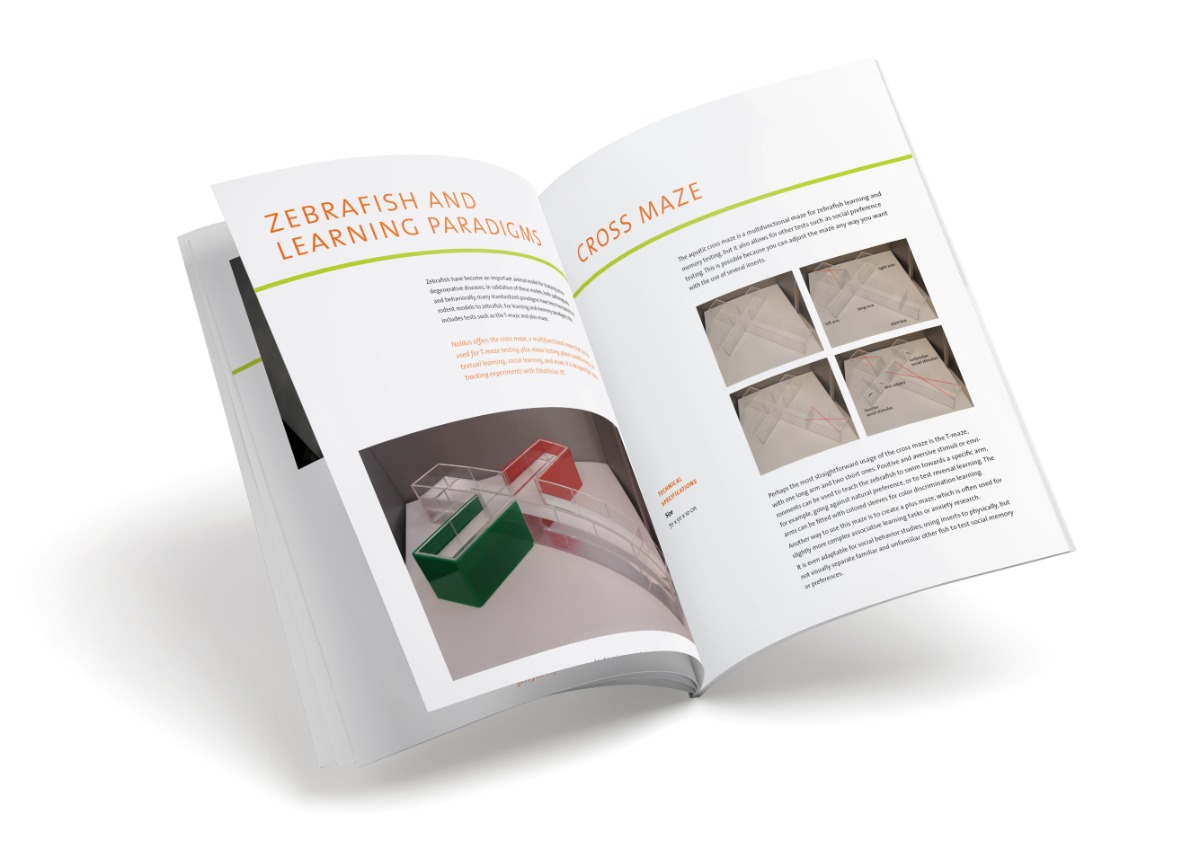
Zebrafish and learning paradigms
Zebrafish have become an important animal model for studying neurodegenerative diseases. In validation of these models, both pathologically and behaviorally, many standardized paradigms have been translated from rodent models to zebrafish.
Download the white paper and learn more about zebrafish and learning paradigms.
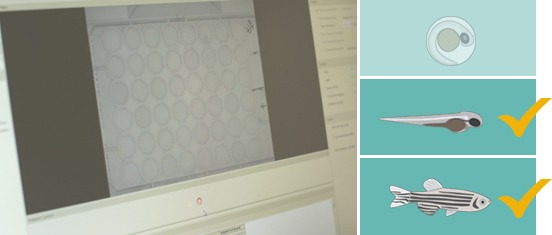
EthoVision XT | Premium video tracking
The world's most used video tracking tool, as well as a software platform to build your set-up on. Video tracking essentially means that EthoVision XT recognizes your zebrafish (adult or larva) from a live video feed or video file and is able to track its movement or activity.
Track3D | Three dimensional video tracking
A video-based system for automated tracking of animals in a three-dimensional space. It allows the researcher to record the movement of an animal in a test chamber, visualize the resulting trajectory in a three-dimensional image and calculate a number of movement parameters.

"Our Noldus EthoVision is awesome. We use it to track zebrafish larvae in live time."
Danielle Tomasello, Ph.D.|via SelectScience
Relevant blogs

Using zebrafish as an early warning system of neurotoxic substances
How can we use a zebrafish (Danio rerio) embryo model to detect possible neurotoxic chemical mixtures that are difficult to detect with normal chemical analyses?