Automated tracking & behavior
Automatically track with validated accuracy across a wide range of learning, memory, social interaction, and more.
Data insights
Transform complex behavior into clear, actionable insights.
Hardware interaction
Integrate with a variety of hardware for precise control and triggering.
Our solutions for
Animal behavior arrow_forwardAutomate your research, save time, and get high-quality data for your project or publication. Whether you’re in academia, education, or a commercial field, Noldus is here to help you.
 Harvard University
 Wageningen University
 University of Cambridge
 Boehringer Ingelheim
 University of Oxford
 Bayer
Bayer MIT
MIT AstraZeneca
 ETH Zürich
 Stanford University
 Caltech
 Charles River
 Novartis
 Brown University
 Yale University
 The Jackson Laboratory
 NeuroSys
Product advisor
Find the right Noldus tool for your research
Answer a few quick questions and we will recommend the Noldus products that best fit your needs.
Step 1 of 4
What do you study?
Select the subjects of your research.
Take your gait analysis to the next level
Get the new CatWalk 11 package with added value for your research.
Explore the offer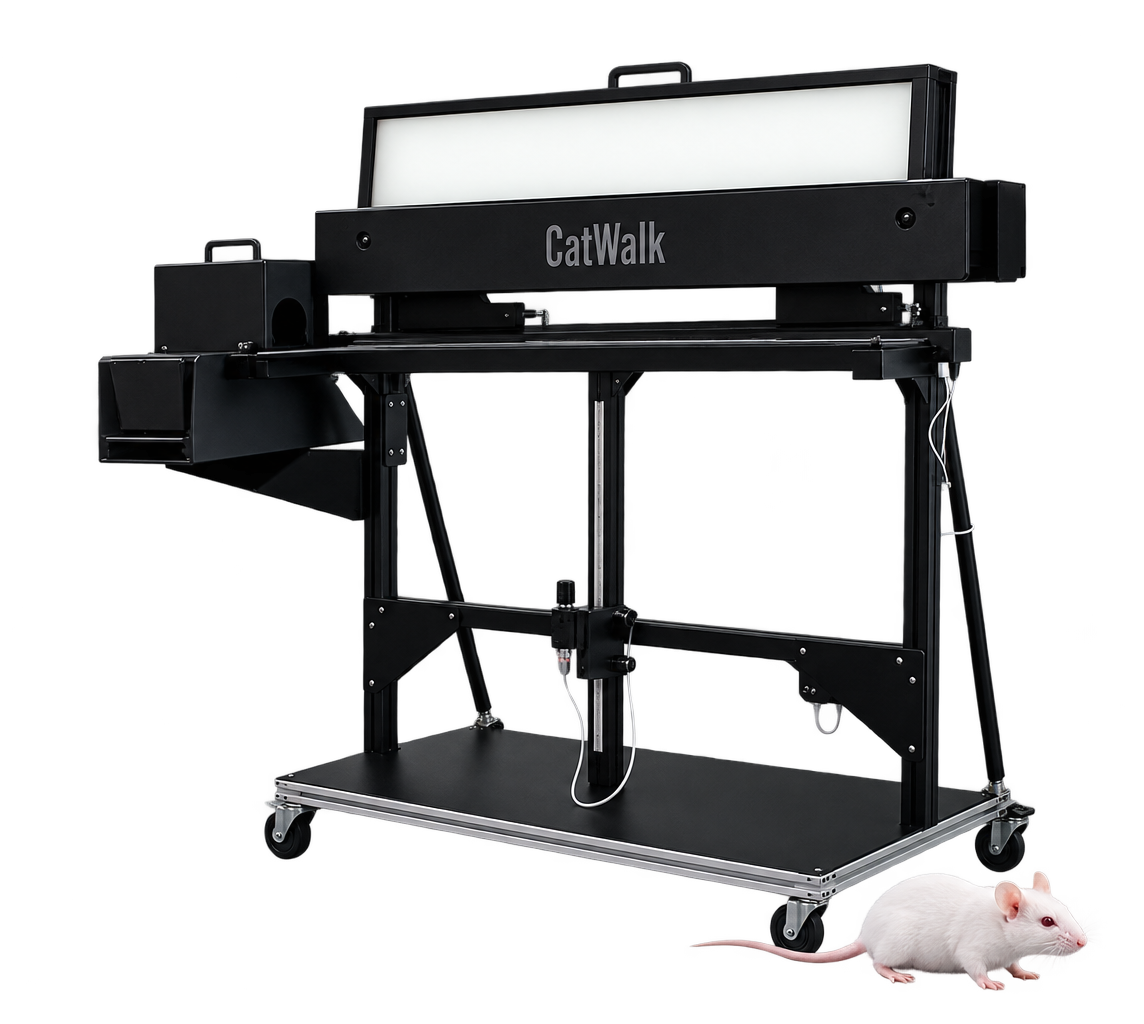
I am looking to measure
Find the right way to understand it
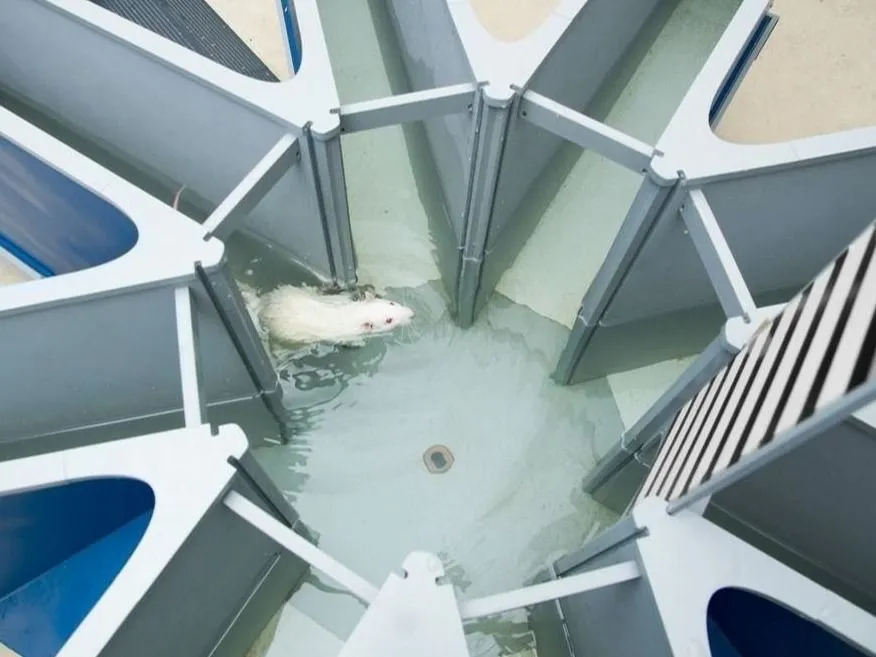
Cognition and memory
Cognition and memory refer to how the brain processes, stores, and retrieves information. Relating behavior to these internal processes helps understand conditions like Alzheimer's and trauma.
Learn more arrow_forward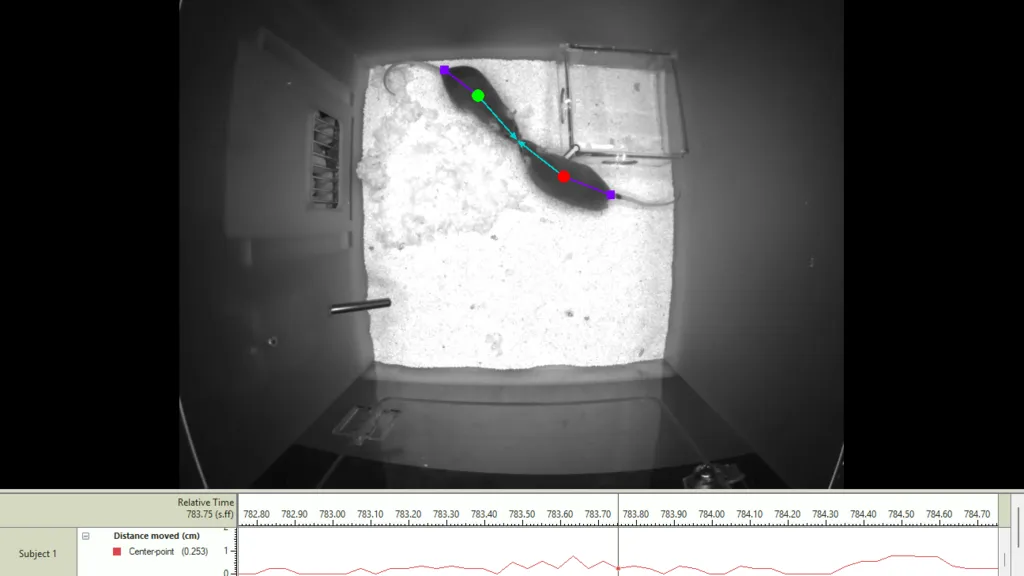
Social interaction
Social behavior offers insights into behaviors like aggression and cooperation, relevant to studying conditions like ASD or schizophrenia. Social housing is also often required to meet ethical standards.
Learn more arrow_forward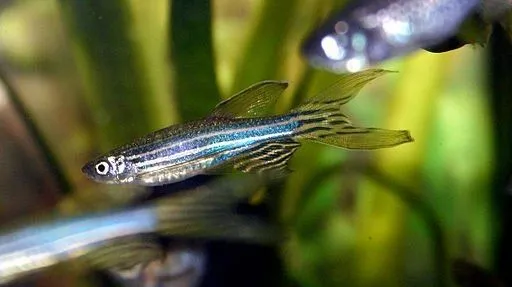
Zebrafish research
Zebrafish are a popular model organism due to its size, reproduction, growth rate and genetic similarity to humans. Noldus offers tools to analyze (zebra)fish behavior across their entire life cycle.
Learn more arrow_forward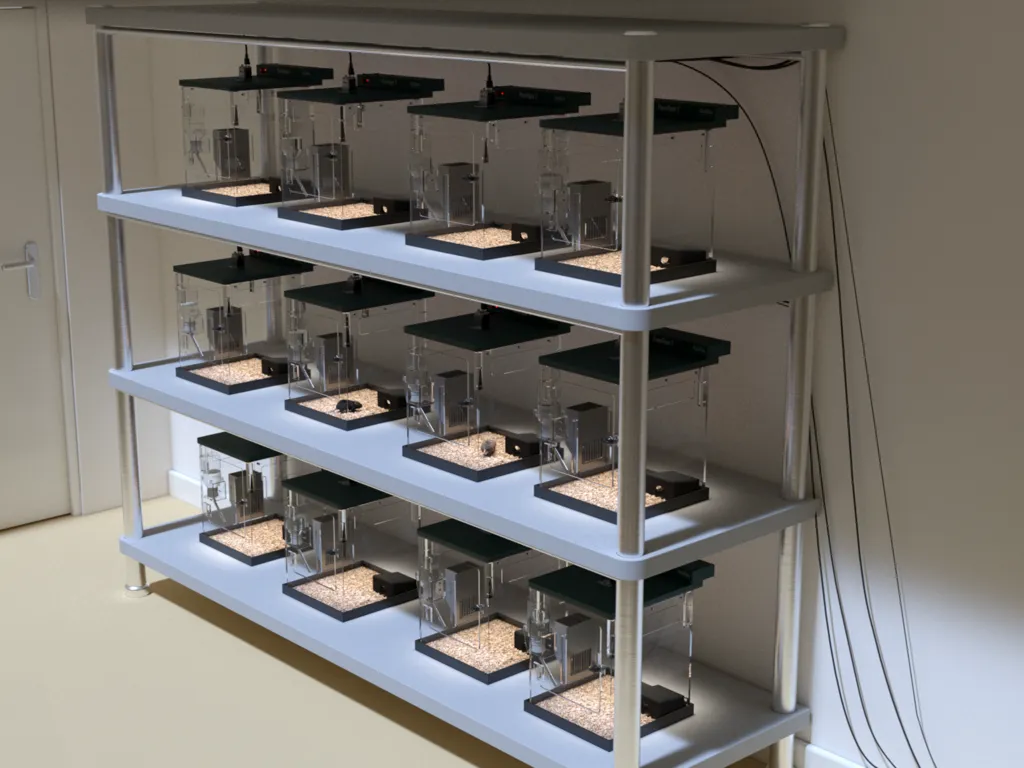
Home cage & welfare
Continuous monitoring in a familiar cage captures natural behavior and provides accurate insights into an animal's activity, feeding and drinking, and sleep cycles over a longer time period.
Learn more arrow_forward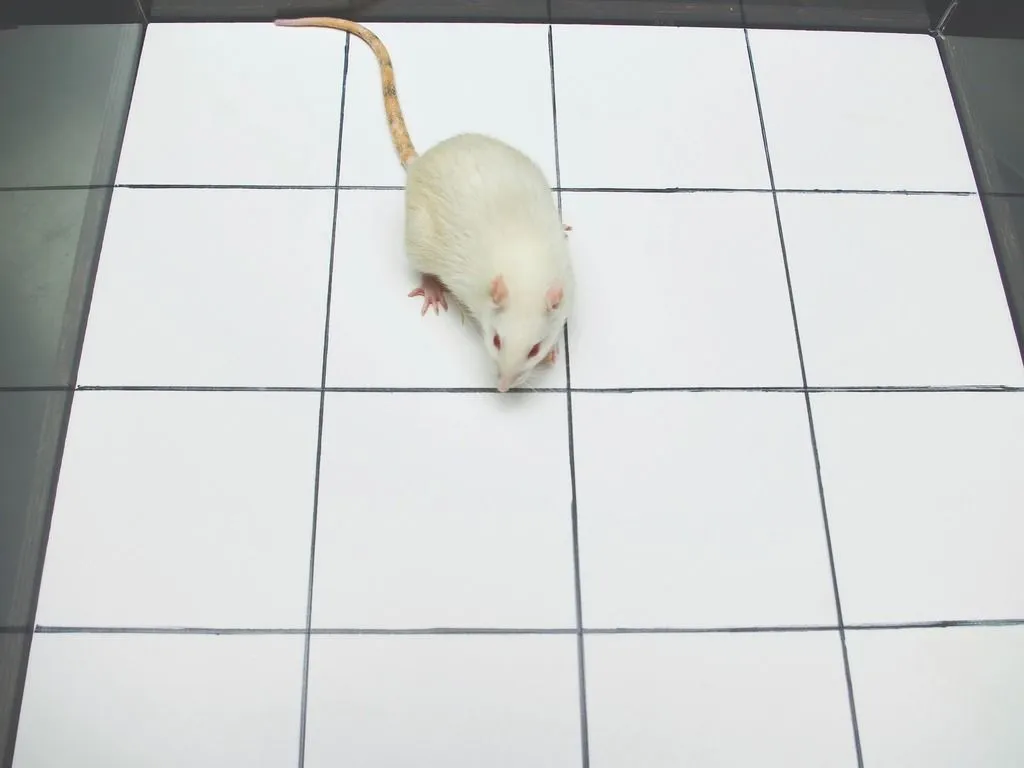
Fear & anxiety
Many psychiatric disorders are fear or anxiety related. Behavioral tests with animals are crucial to link underlying mechanisms to potential treatments for disorders like PTSD or depression.
Learn more arrow_forward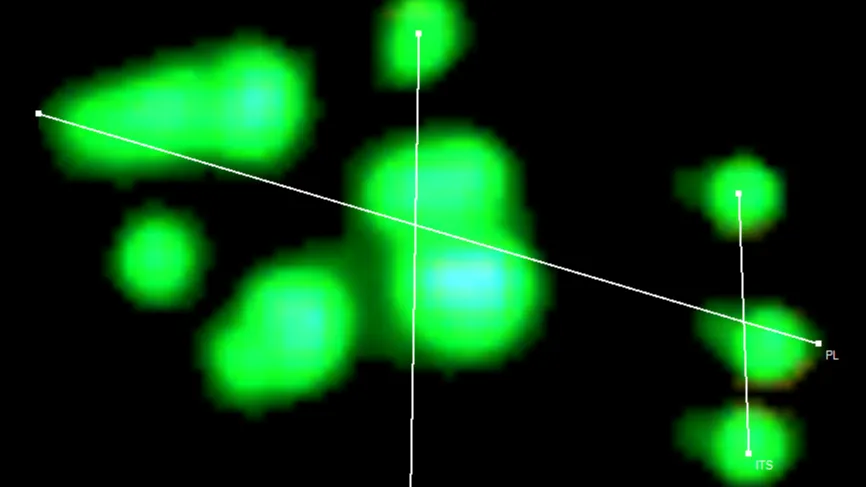
Gait & locomotion
Studies on the gait of rodents assess motor function and the impact of certain treatments on coordination and behavior. This type of research is essential in Parkinson's, ataxia and injury research.
Learn more arrow_forward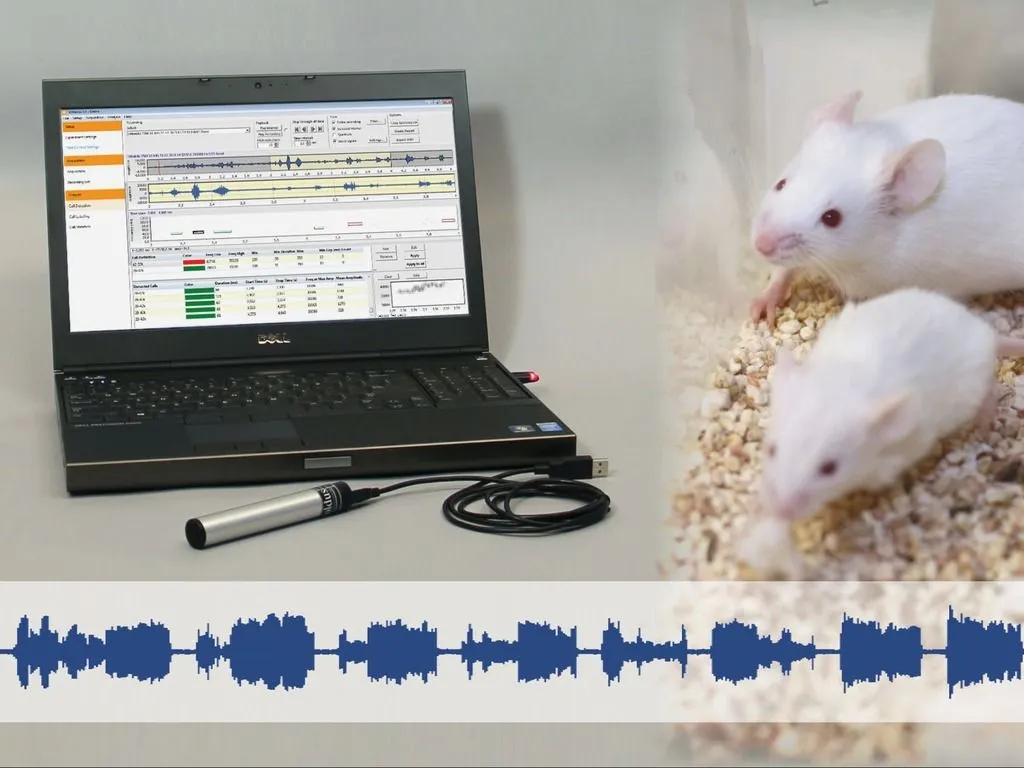
Ultrasonic vocalizations
Vocalization research is done in rodents, birds and other mammals. Analyzing vocalizations provides insights into communication or stress, enhancing research in neuroscience and pharmacology.
Learn more arrow_forward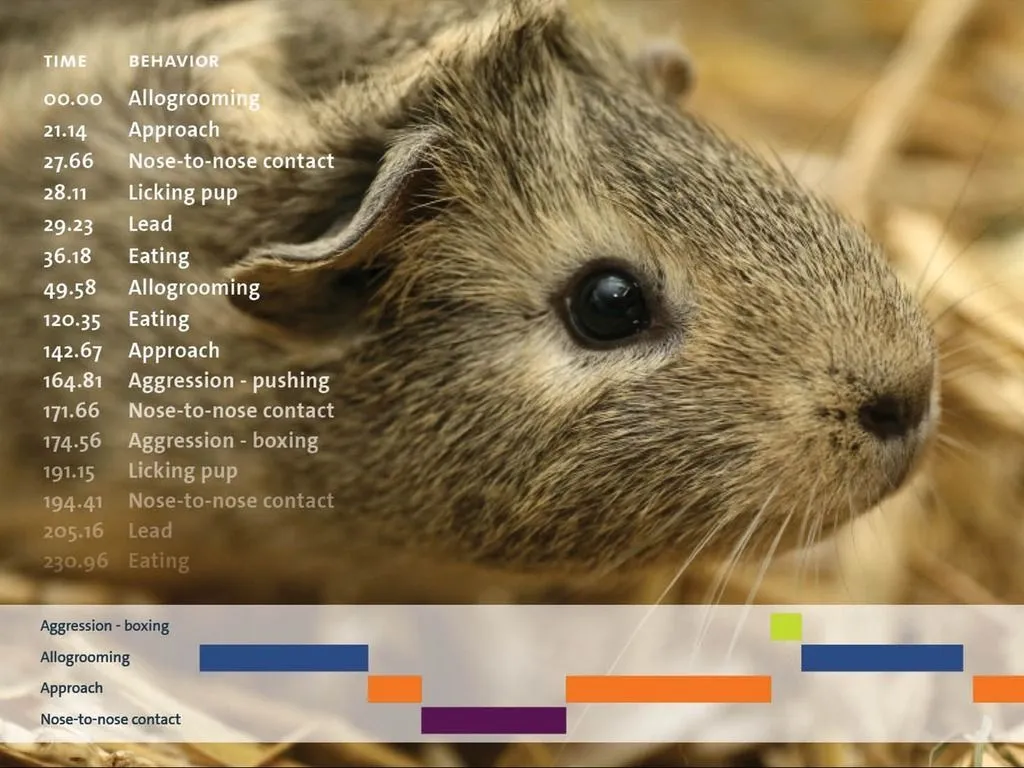
Zoology
Studying animal behavior has come a long way from manual pen-and-paper methods. Advances in technology now provide faster and more accurate ways to record and analyze behaviors.
Learn more arrow_forwardNoldus in real-world research
See how researchers are using advanced tools to enhance their work
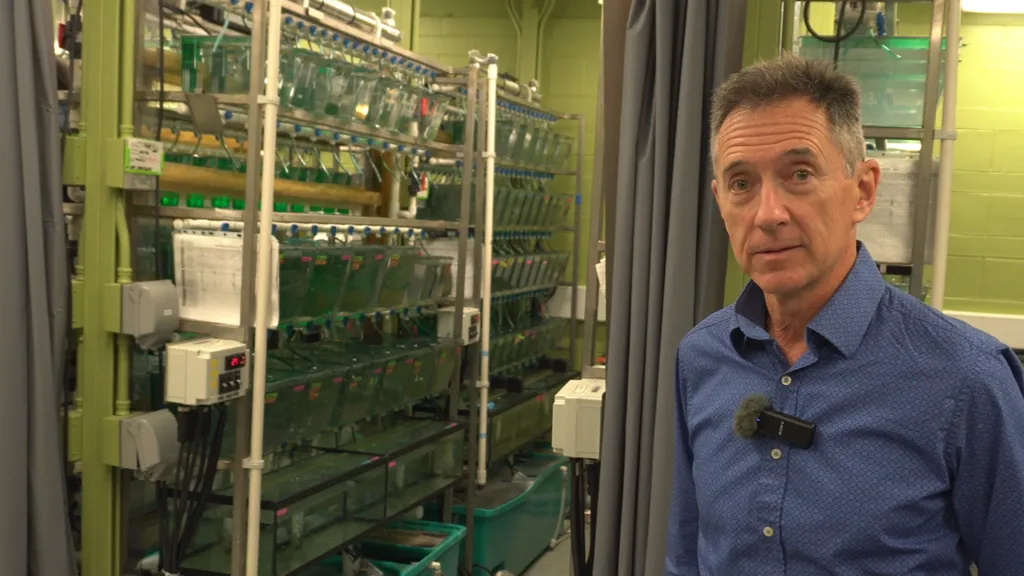
Zebrafish research with Noldus tools
Take a look at the Gerlai Lab
In Toronto, seasoned veterans and students alike are using Noldus tools to develop new techniques and do groundbreaking behavioral research using zebrafish. Learn from them why zebrafish are an excellent model species and why Noldus' tools work for them.
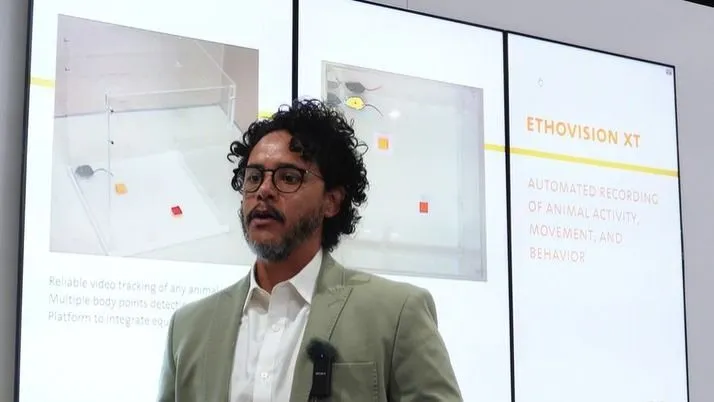
Neurobiological mechanisms linking stress and obesity
Learn from Dr. Figueroa
We talked with Dr. Johnny Figueroa about his work in nutritional neuroscience. His work contributes to understanding the mechanisms behind childhood obesity and stress. In his tests he uses Noldus tools to capture long term behavioral patterns in rodents.
Find the right tool for the job
I am performing animal behavior research with:
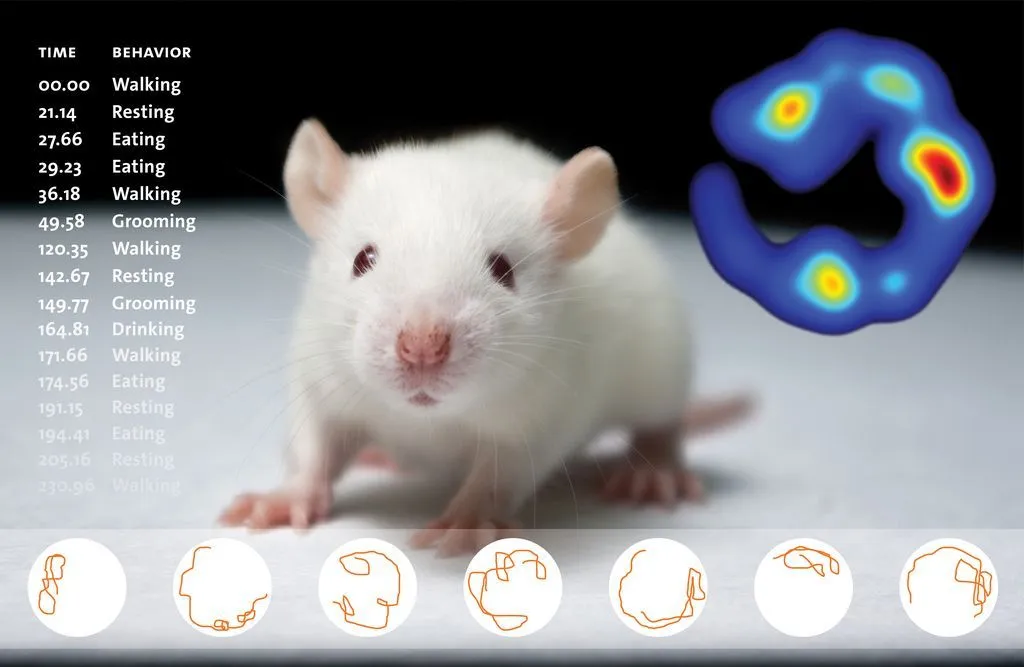
Automated video tracking for any arena
EthoVision
The gold standard for automated video tracking of laboratory animals. Track movement, measure activity, and analyze behavior patterns with precision in up to two rodents housed socially. Perfect for studying activity, anxiety, learning, and memory.
Learn more arrow_forward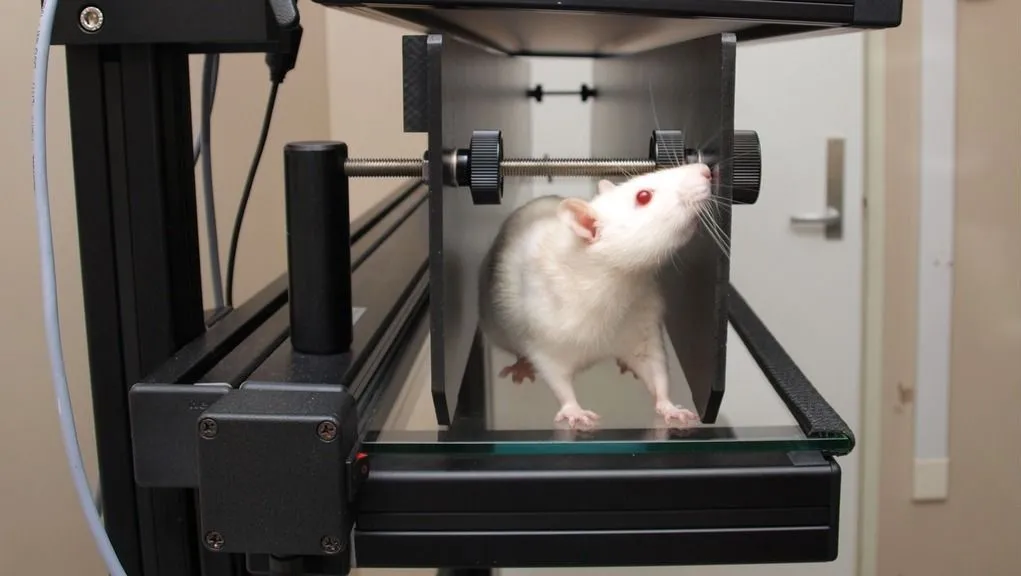
Objective gait analysis system
CatWalk
Automated gait analysis for objective assessment of locomotion and motor function. Measure paw prints, stride patterns, and coordination with unparalleled accuracy. Essential for pain research, neuroscience, and pharmacological studies.
Learn more arrow_forward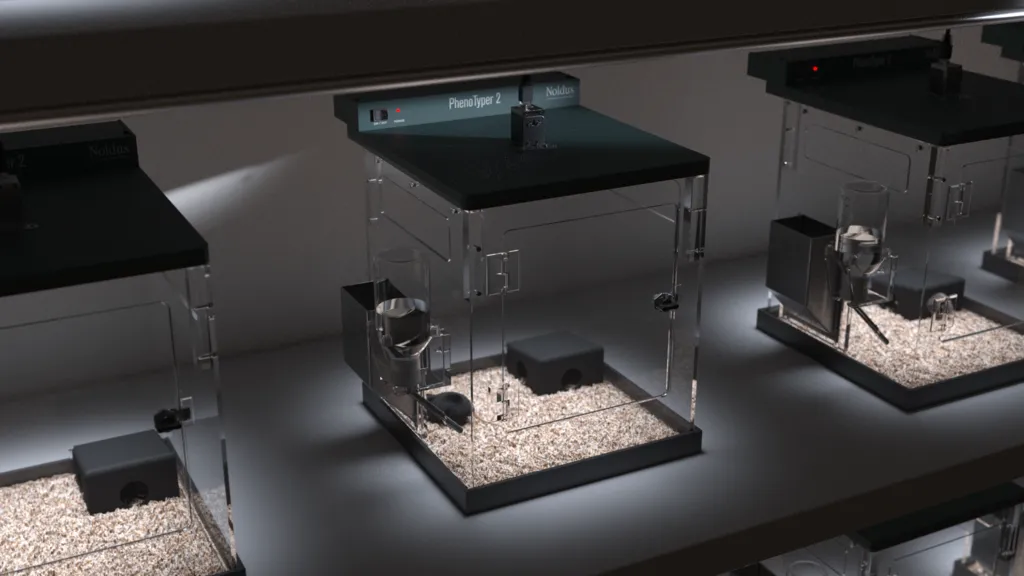
Versatile instrumented observation cage
PhenoTyper
Continuous monitoring in a home cage environment captures natural behaviors and provides accurate insights into animal activity, including feeding, drinking, and sleep cycles. Ideal for short- and long-term behavioral tests.
Learn more arrow_forward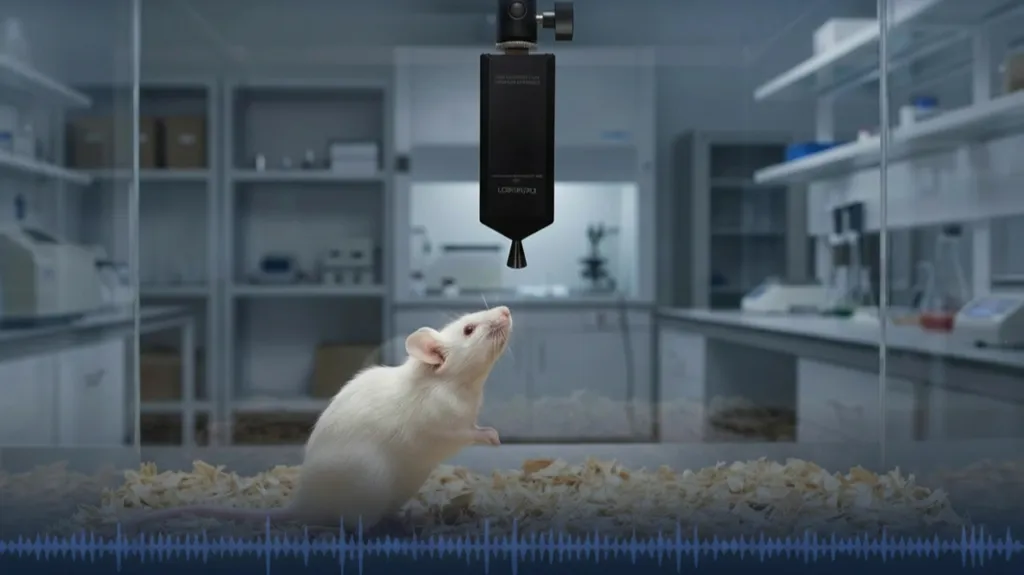
Capture ultrasonic vocalizations in rodents
UltraVox
Animal vocalizations are often analyzed to generate a more complete view of the animals' affective states. UltraVox offers advanced capabilities that streamline the analysis of vocalizations, providing you with detailed insights to advance your research.
Learn more arrow_forward
Streamline animal observational research
The Observer
Simply observing animals is still a key part of rodent neuroscience research. The Observer allows you to easily annotate behavior and synchronize it with multiple datastreams.
Learn more arrow_forward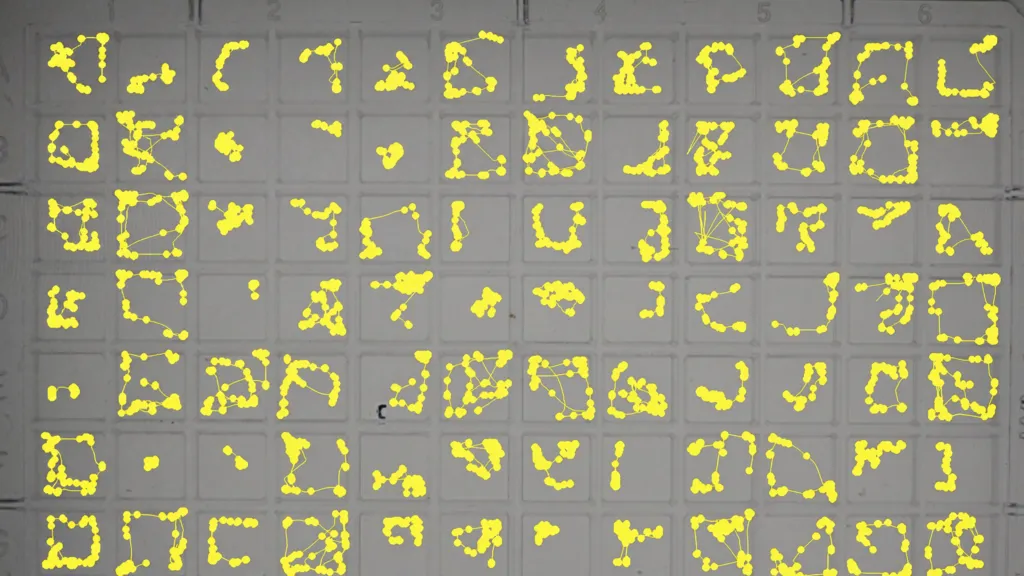
Video tracking for any tank or well plate
EthoVision
The gold standard for automated video tracking of any fish. Track movement, measure activity, and analyze behavior patterns with precision using powerful AI-based video trackers. Perfect for studying swim patterns, anxiety, learning, and memory.
Learn more arrow_forward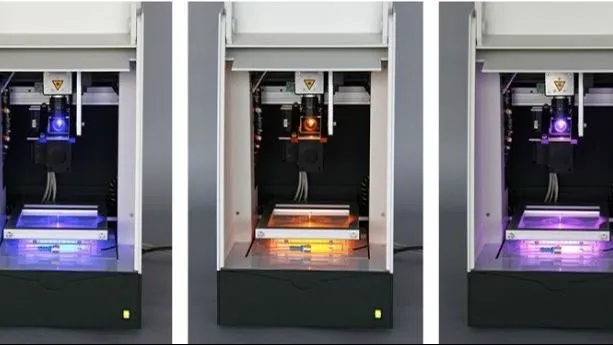
High-throughput testing of zebrafish larvae
DanioVision
High-throughput video tracking system designed specifically for zebrafish behavioral research. Track multiple larvae or adult fish simultaneously with precise environmental control. Perfect for toxicology, drug screening, and developmental studies.
Learn more arrow_forward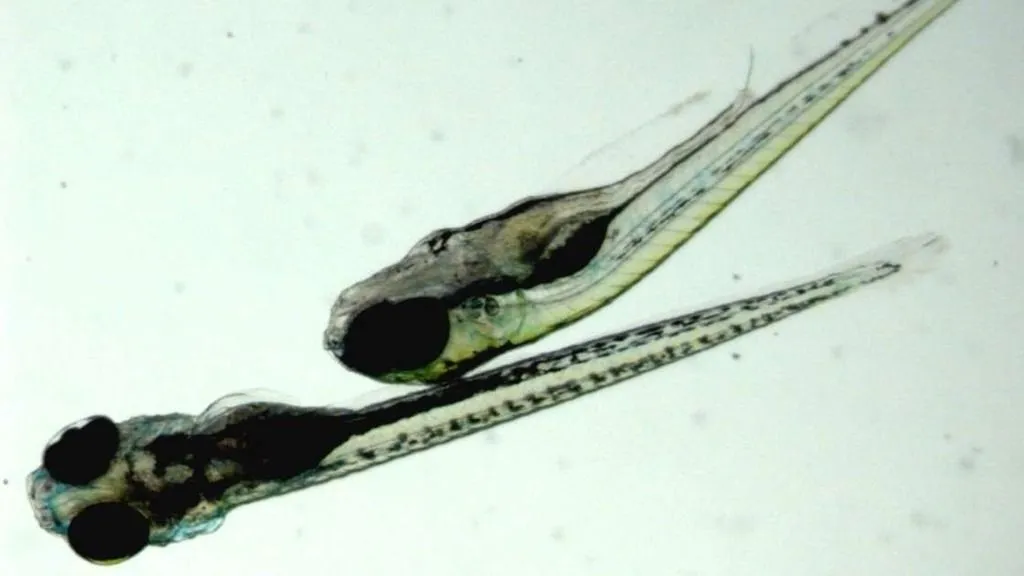
Detailed look at fish physiology and behavior
DanioScope
Measure physiological parameters such cardiovascular measurements, morphology, and gut and blood flow in zebrafish larvae and embryos. Batch acquire multiple videos saving you time and resources.
Learn more arrow_forward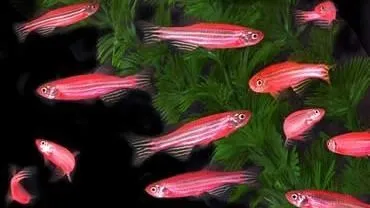
Streamline animal observational research
The Observer
Simply observing animals is still a key part of fish neuroscience research. The Observer allows you to easily annotate behavior and synchronize it with multiple datastreams.
Learn more arrow_forward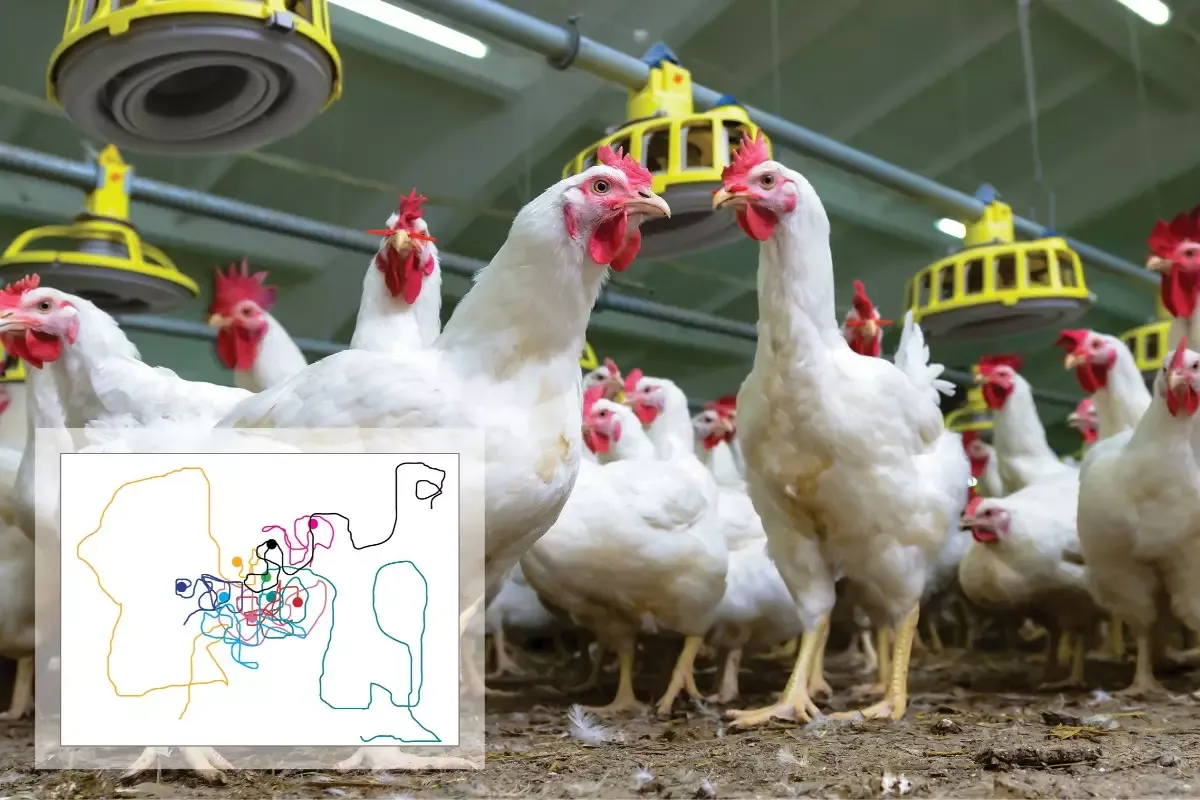
Automated video tracking for any application
EthoVision
The most versatile tracker for any application. Track movement, zone preferences and activity with precision. Perfect for studying any animal you can capture with a camera.
Learn more arrow_forward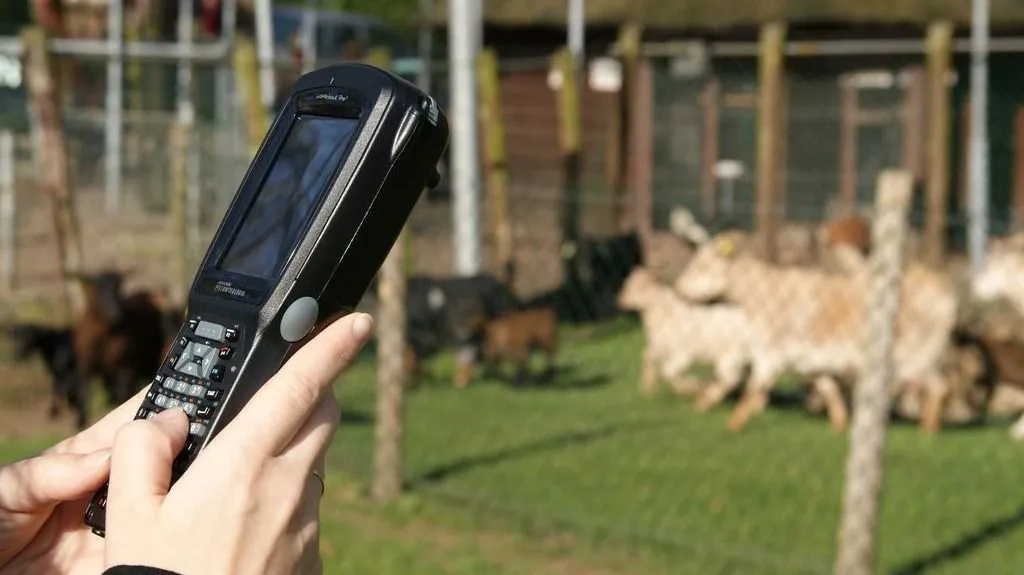
Streamline animal observational research
The Observer
Simply observing animals is still a key part of behavioral research. Whether you are looking at farm animals, insects or wildlife, The Observer allows you to easily annotate behavior and synchronize it with multiple datastreams.
Learn more arrow_forward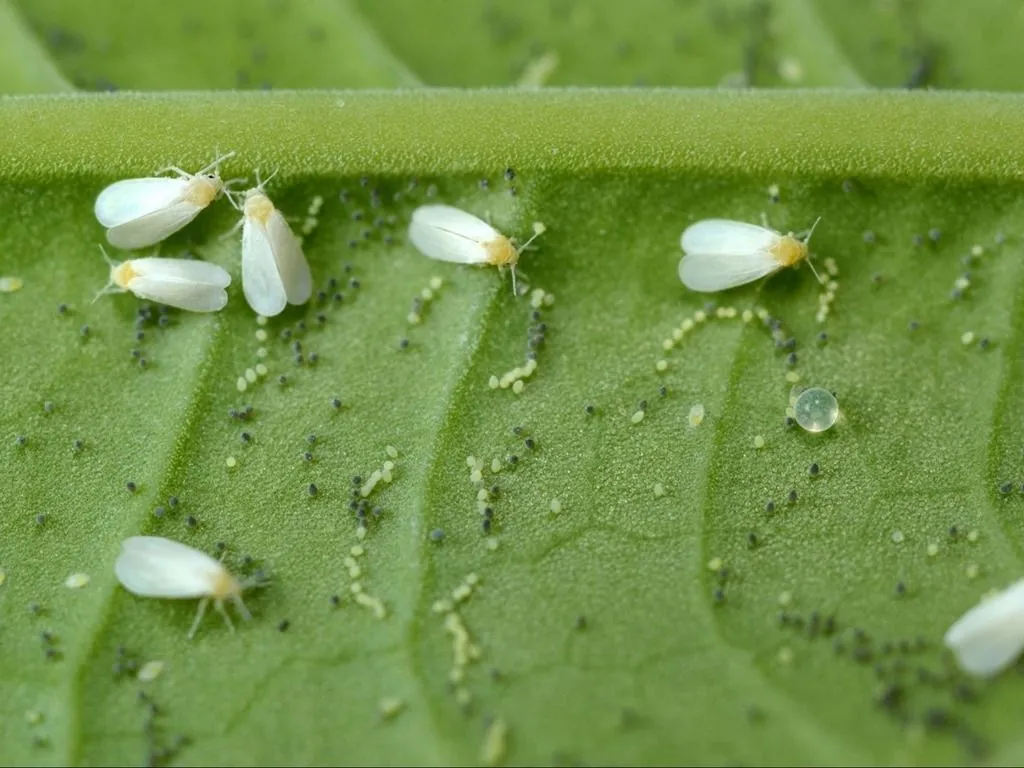
High throughput insect tracking
EntoLab
Looking for a tool to speed up insect or plant screening? EntoLab is a computerized system for automated high-throughput screening of insect behavior, validated for many insect-plant combinations.
Learn more arrow_forward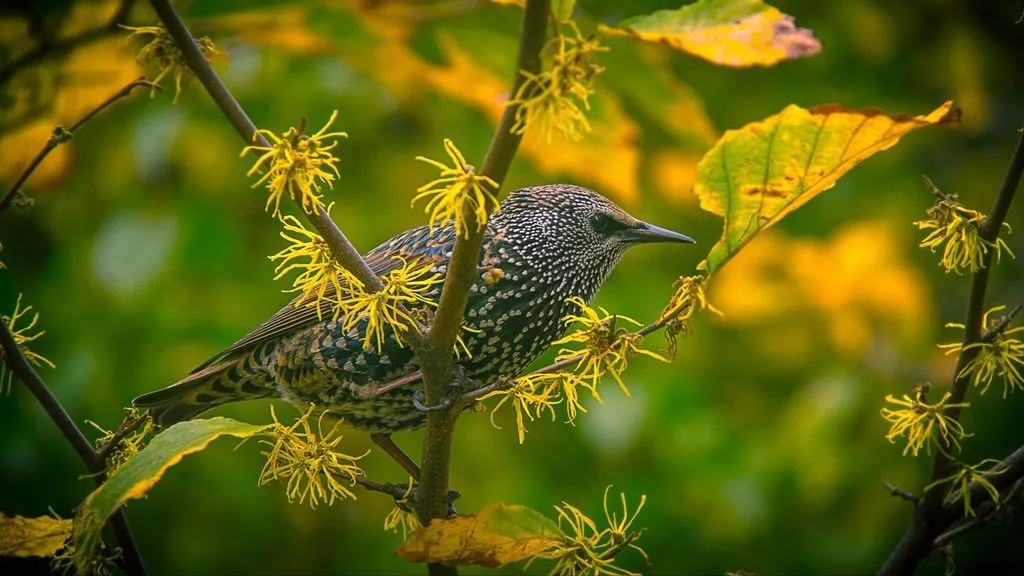
Capture ultrasonic vocalizations
UltraVox
Animal vocalizations are often analyzed to generate a more complete view of the animals' affective states. UltraVox offers advanced capabilities that streamline the analysis of vocalizations, providing you with detailed insights to advance your research.
Learn more arrow_forwardWant more information?
Meet with an expert in your field
Do any of these solutions sound interesting to you? But do you want more info regarding your specific use case? Feel free to book a meeting with us. We have a dedicated team of behavioral experts that are ready to help you find the solution fit for your research.
Thank you!
We will get back to you within one business day.
Thank you!
We'll get back to you shortly.
Please correct the following errors:
Thank you for registering!
We look forward to seeing you at the NoldusViso launch event.
Please correct the following errors: