English
 German
 French
 Italian
 Spanish
 Chinese
Tools for
Zoo animals, companion animals, and wildlife studies
Research on the behavior of wild and domesticated animals can focus on aspects such as ecology, social behavior, and animal welfare. Depending on your research, animals can be tracked with a stationary or mobile lab set-up.
Read more about our solutions for research with zoo animals, companion animals, and wildlife.
Choose your set-up
When studying the behavior of any animal in its natural habitat or enclosure, a stationary observation system offers a practical solution. Ideal for when you want to study animals over a longer period of time or when you want to use a set-up with a desktop or multiple cameras. For example, you can study zoo animals in their enclosure, farm animals in a barn, or companion animals at home. In other cases, studying animal behavior requires a mobile set-up. With a mobile lab you can move around to keep an animal of interest within view, study animals at different locations, or study the daily rituals of wild animals. We offer powerful observation tools in a mobile format, with rugged handhelds that can withstand extreme environmental conditions.
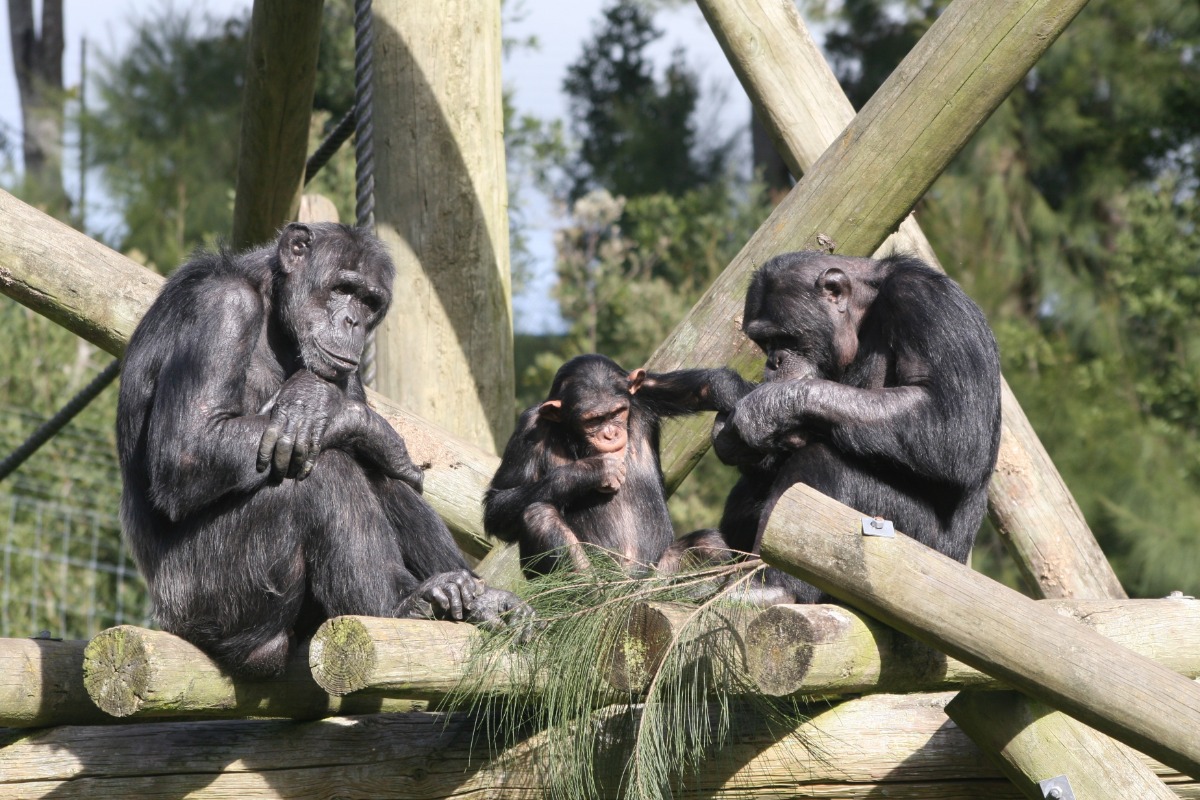
Versatile behavior analysis
Benefit from the powerful software of The Observer® XT to study the behavior of wild and domesticated animals. With The Observer XT you can score behaviors live or offline, and adapt your methods to your research circumstances. When investigating the behavior of wildlife, live scoring will ensure you don’t miss anything important that is not caught on camera. Scoring from video files has other advantages. For example, you are able to fast forward through parts of the video in which very little action occurs, making your research more efficient. You can also replay specific parts at a slower speed; practical in situations where many behaviors occur at the same time, or when you are observing multiple animals. The Observer XT also supports data synchronization, allowing you to study correlations between location, physiological responses, and specific behaviors.

"I would buy the Observer XT software again. It saved me months of time."
Dr. E. Eadie|University of New Mexico, USA
Indoor and outdoor tracking
TrackLab™ is the complete tracking solution for your research with livestock, companion animals, or zoo animals. Benefit from highly accurate tracking in indoor and outdoor environments, such as barns, pastures, zoo enclosures, and home environments. TrackLab offers the option to monitor your animals continuously or to schedule recording sessions for specific times of interest. You can analyze data from the comfort of your office and gain meaningful insights in a wide variety of behaviors. For example, you can study activity, place-preference, feeding, and social behavior. Monitor areas of interest and visualize your results with heatmaps or track plots.
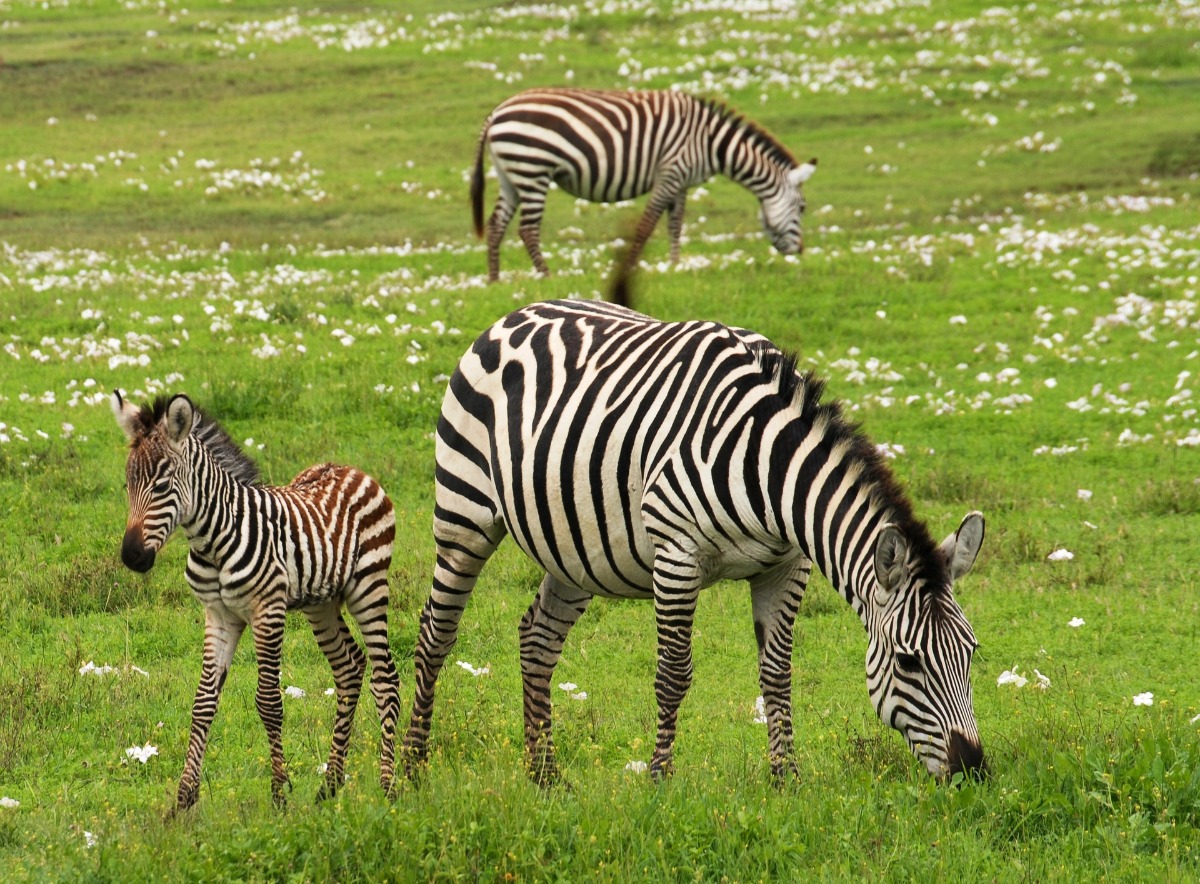
Relevant blogs
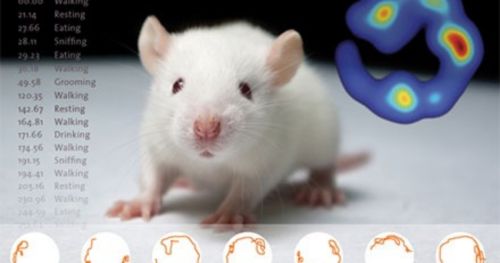
Noldus top tips! Our latest must-read animal blogs
Dive into our latest collection of top behavioral research blogs! Discover fascinating studies and learn how Noldus tools can advance your research.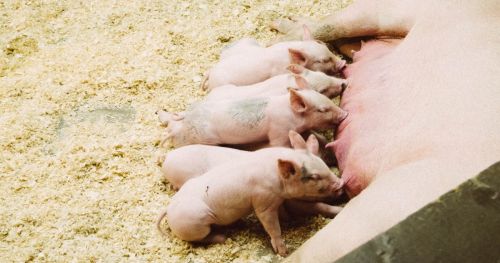
Mixing sows: aggression and stress of group housing on first-time sow mother
In this experiment, Ison and colleagues looked at the social interaction when a mixed group of primiparous and older, unfamiliar sows were placed in group housing together.