English
 German
 French
 Italian
 Spanish
 Chinese
Solutions for
Animal behavior, welfare, and health tracking
The study of movement, activity, and behavior is valuable in research on animal health and welfare, specifically in livestock research. Understanding animal behavior in different environments provides insights that can help improve their living conditions. Noldus offers various solutions for the tracking and analysis of spatial behaviors in animals, including EthoVision XT, TrackLab, Viso, and The Observer XT.
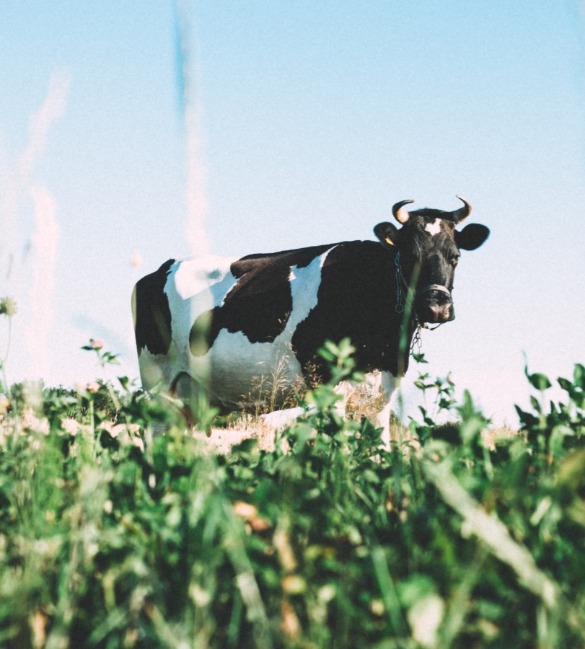
Tracking animal behavior
One of the main reasons to conduct research on farm and zoo animal behavior is to improve the living conditions in view of animal welfare. For example, you can study differences between group and individual housing, enriched and plain stables, as well as different types of feeding systems or bedding materials.
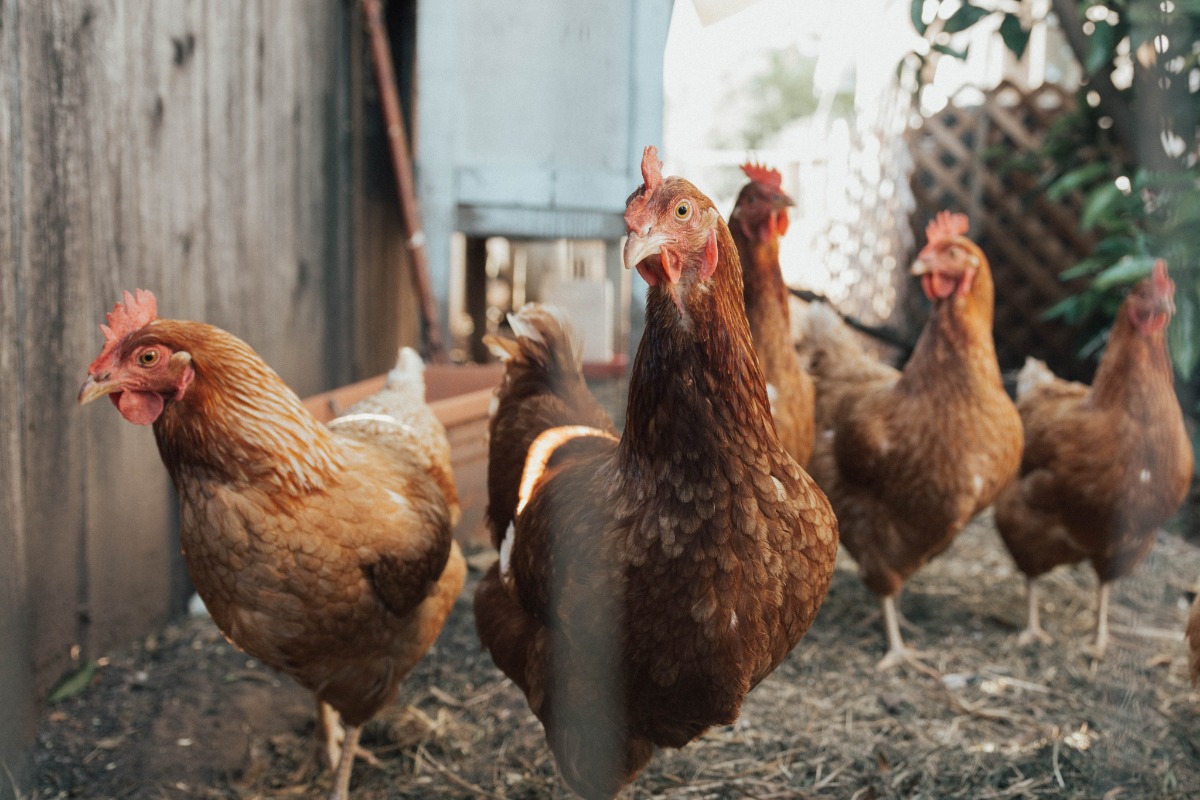
Social behavior
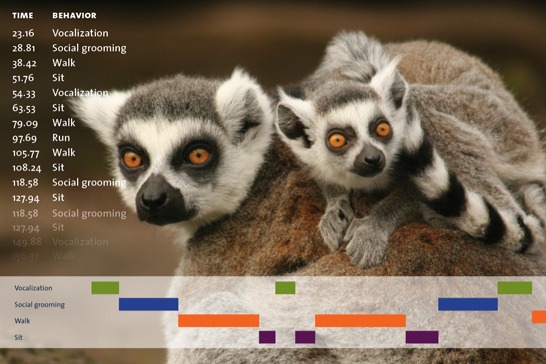
Many studies on animal behavior include the investigation of social behavior. Social behavior is an important indicator of welfare and is highly influenced by housing conditions. Understanding social behavior is becoming increasingly important in farm animal husbandry as more animals are housed in groups rather than in individual stables or pens. Of course, social behavior can also be studied in companion and zoo animals.
Indoor and outdoor tracking
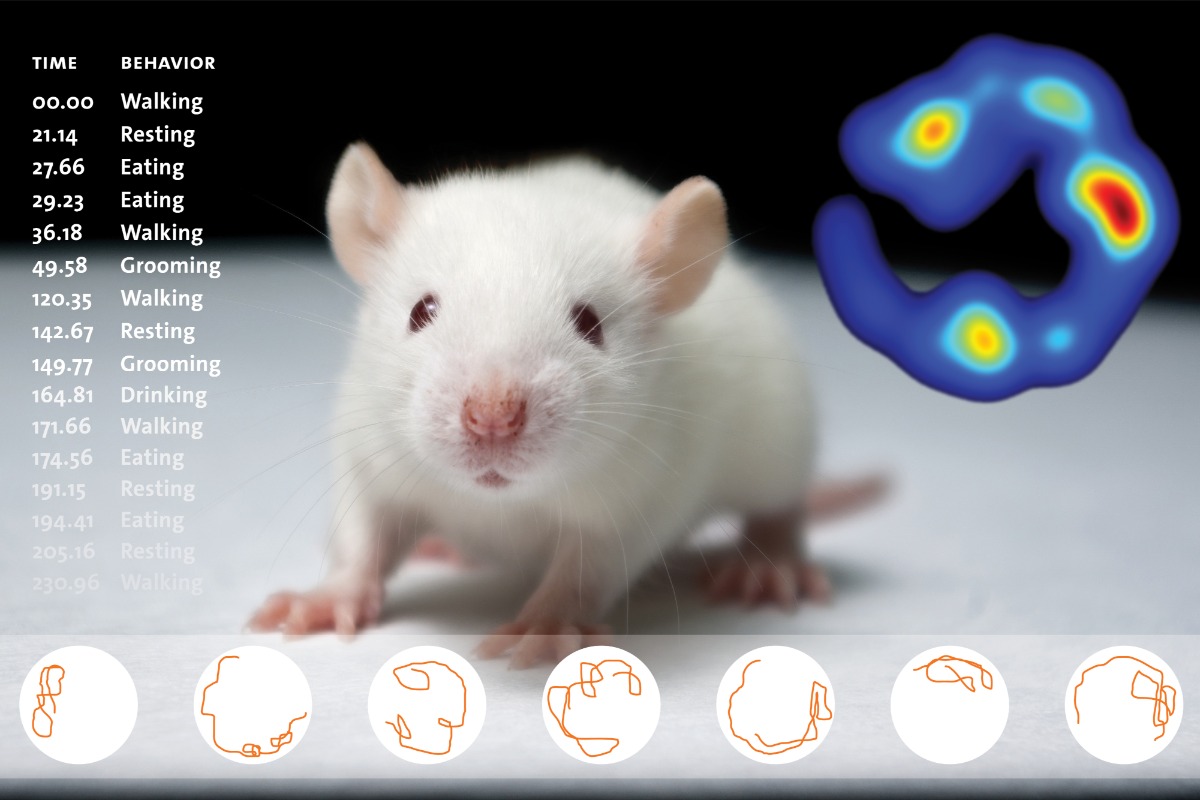
Rely on TrackLab™ for highly accurate tracking in indoor or outdoor environments. Tracking is made easy with the software’s options for automatic data collection: monitor your animals continuously or schedule recording sessions for specific times of interest. You can study a broad range of animal behaviors, including activity, place-preference, feeding, and social behavior. For example, you can monitor areas of interest to learn about bedding preferences or examine pair relations to understand social structures. Visualize your results with heatmaps or trackplots!
Meaningful insights
EthoVision® XT allows you to automatically collect data on important indicators of health and welfare, such as the general activity, resting behavior, or social interaction of your animals. The software tracks your animals reliably, even if the animal rearranges its surroundings during the experiment or if the stables are unevenly lit. EthoVision XT offers a range of parameters for efficient analysis and includes options to synchronize and visualize external data streams. For example, you can integrate heart rate data into your experiment and study stress responses in different environments.

"EthoVision has dramatically improved my ability to incorporate extensive behavioral testing with one group of animals. It reduces the time needed to record and analyze behaviors while allowing for much more extensive analysis of behavior."
Dr. M. Hyer|Virginia Commonwealth University, USA
Powerful analysis
Code and analyze your animals’ spatial behaviors in great detail with The Observer® XT. Investigate how long it takes for a certain behavior to be repeated, how much time passes before one behavior is followed by another, or how animals interact with each other. This allows you to gain meaningful insights in aggressive behaviors, hierarchies and social structures. For example, you can analyze which social behavior was directed at which animal, and even to which body part. You can also study group departure behavior in herds, feeding orders in a group of predator species, and much more.
Remote monitoring of animals
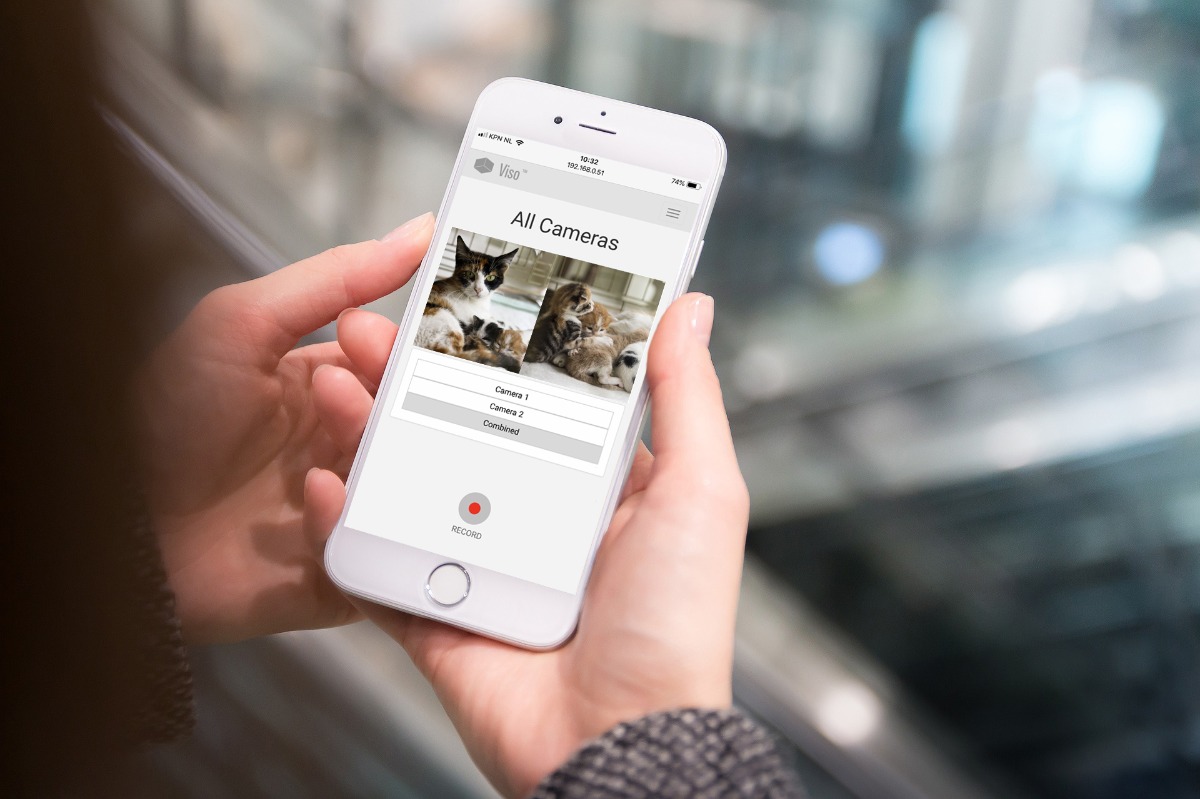
Veterinarians, farmers, owners of an animal shelter, and researchers put the welfare of their animals above all else. They want to be able to keep a close eye on the animals, almost constantly. After all, observing the animals tells them more about how they behave, whether they are in pain, whether they are lively or lackluster, and whether they need help. Recording animal behavior using the Audio/Video system Viso helps understand an animal's behavior and provides insights that can improve the animal's health status.
Relevant blogs
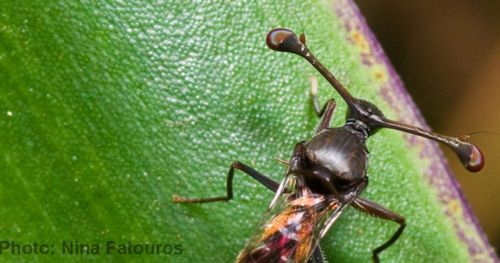
Bigger is not always better: hypothesis testing in sexual evolution
Sexual selection can lead to fascinating phenomena. We are all familiar with the fabulous color display of male peacocks to attract females. Less well known, but definitely not less interesting, are stalk-eyed flies.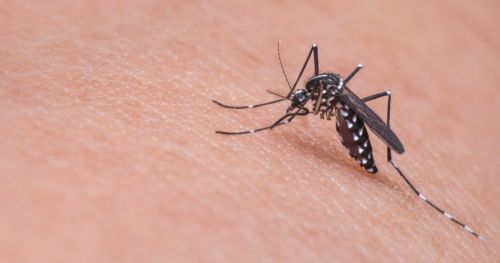
Smelly feet and heat – how malaria mosquitoes find their hosts
It seems that mosquitoes use human body odor to locate suitable hosts, and different people smell differently to mosquitoes.