 English
 German
 French
 Italian
 Spanish
 Chinese
Research projects
Noldus, your technology partner
Noldus plays an active role in several leading research projects around the world. Our preferred role is that of a technology partner: we develop tools and methods, and the researchers use and validate them. This way we contribute to scientific progress. At the same time, the projects give us an opportunity to develop relevant new technologies - not only for today's mainstream use but also for tomorrow's needs. If you are setting up a research project and think that Noldus could be a partner in the consortium, please contact us.
Current projects
-
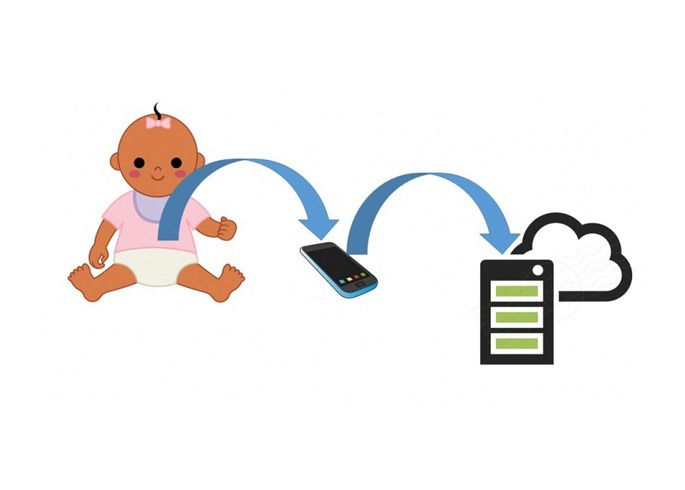 Aims-2-TrialsIn this project, the partners will make substantial leaps in understanding the underlying mechanisms of autism and developing treatments for it. Noldus will develop a smart baby suit which measures the activities of babies a
 -
 CANDYComorbid Analysis of Neurodevelopmental Disorders and Epilepsy (CANDY) is a Horizon 2020 project researching mental illnesses that often co-occur including autism spectrum disorder, ASHS and intellectual disability.
 -
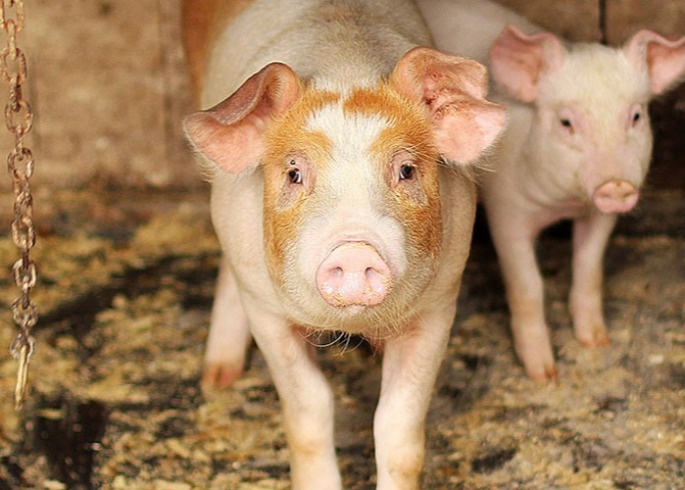 IMAGENThis project combines animal behavior research with computer science to improve the welfare of pigs and laying hens.
 -
 COMFOCUSCOMFOCUS opens up key research infrastructures in the field of food consumer science to all European researchers.
 -
 Code Re-farmHow to make non-intensive, low input farming economically viable.
 -
 Stepping ForwardQuantifying the impact of different brain regions on mouse locomotor behaviour
 -
 ISIDORe projectHorizon Europe project offering integrated services for combatting current and future infectious disease outbreaks
 -
 DERTDevelopment of the next generation of the PhenoTyper
 -
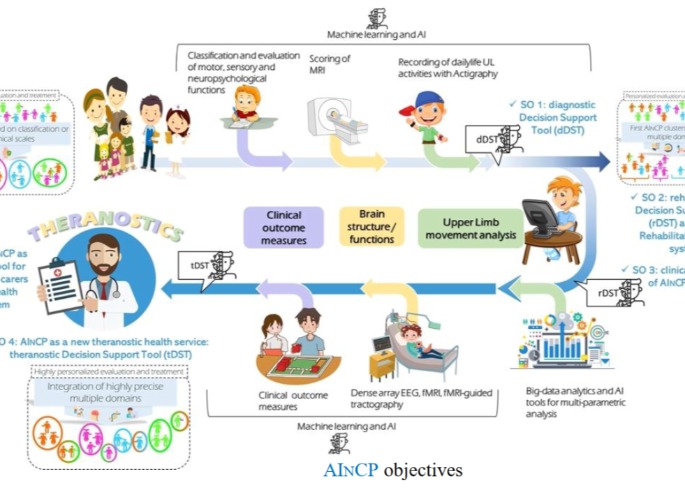 AInCPClinical validation of AI for providing a personalized clinical profile assessment and rehabilitation of upper limb in children with unilateral Cerebral Palsy
 -
 TEATIMENetworking project about rodent home cage monitoring
 -
 ALERTDevelopment of automated systems for measuring the mental states of online students and control room operators
 -
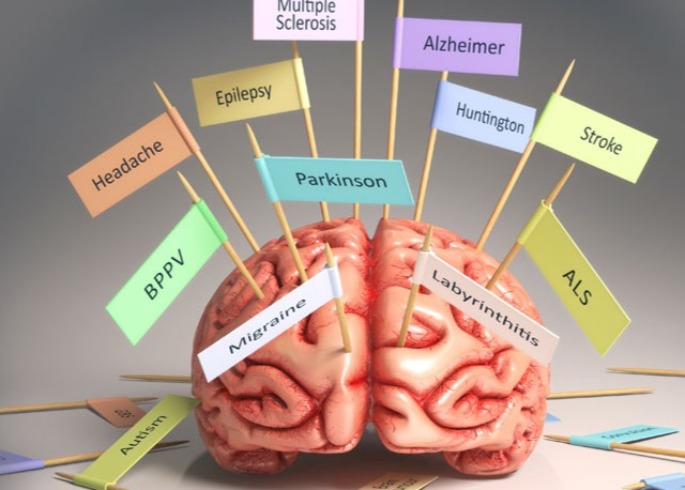 Dutch Brain Interface InitiativeTo understand how the brain works, we need to understand how each part, interacts with the rest of the brain and with the outside world.
 -
 INTENSEInnovative Neurotechnology for Society
 -
 i-ACCESS MyRightsDeveloping AI-based chatbots to ensure that vulnerable children know their legal rights
 -
 NEWLIFEThe NewLife project will develop new remote non-invasive monitoring solutions for ensuring the health of mothers and babies before and after birth.
 -
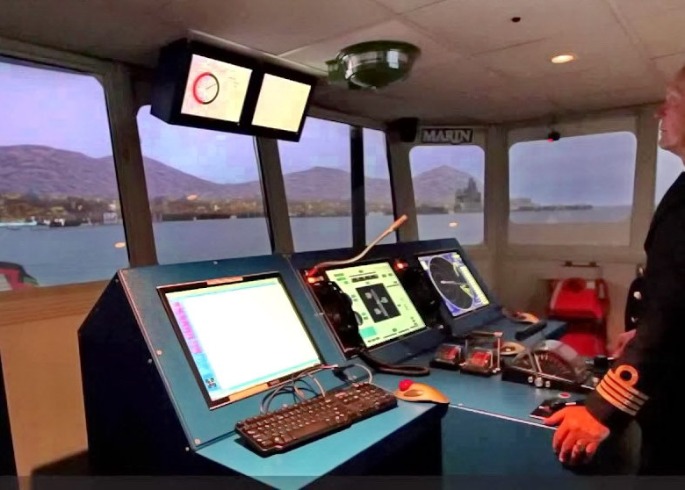 MORSEDevelopment of groundbreaking human factors analysis tools for marine safety
 -
 LoLiPoPSmart buildings project
 -
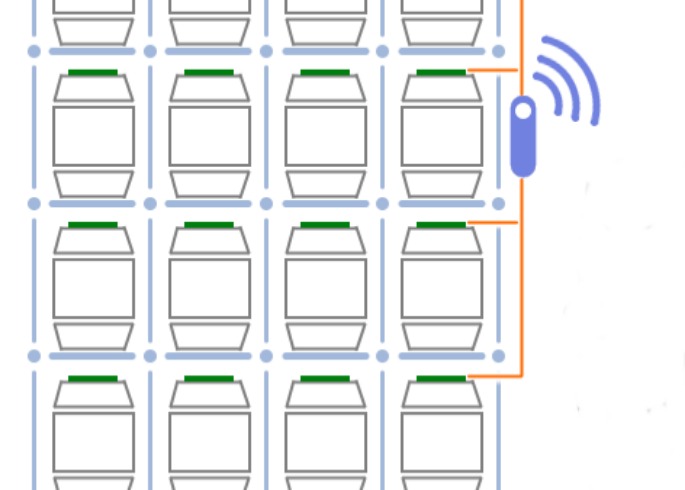 ELANIn this project, the partners will develop a new home cage for rates, with improved monitoring and welfare.
Recently completed projects
-
 LIFESTARTThis project develops high-tech methods and techniques for reducing stress and increasing welfare in young animals by means of precision food products and innovative measurement technologies.
 -
 EQIPDThis project is about improving the quality of data acquisition in systems for measuring animal behavior in drug development. It is funded by the Innovative Medicines Initiative (IMI).
 -
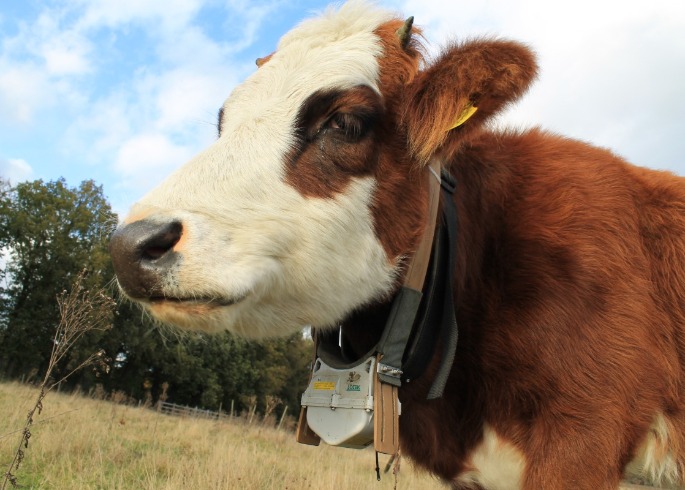 Graze GuideThis project researches the possibilities of a virtual geofence using GNSS (GPS) technology to optimize grazing management in cows.
 -
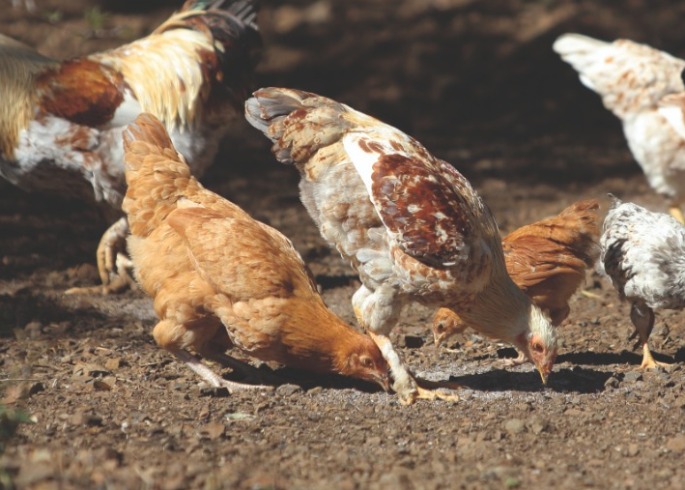 ChickenstressThis Marie-Curie project will train a new generation of scientists in researching increasing the welfare of farmed chickens.
 -
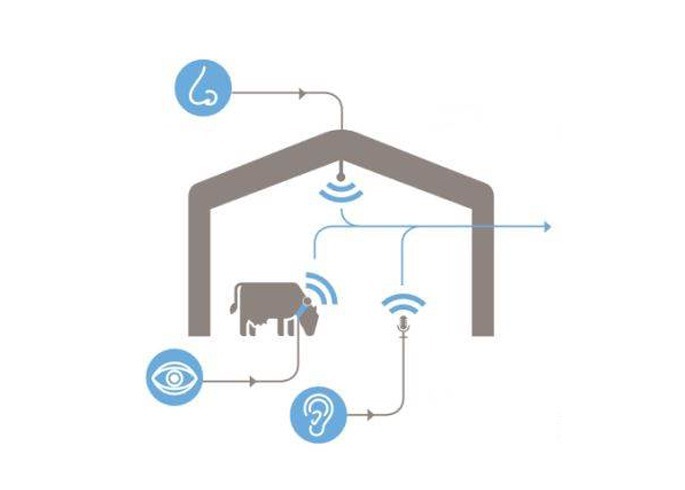 Cowputer VisionIn this project we investigate the possible applications of computer vision technologies for monitoring the behavior of dairy cows.
 -
 GenTOREGenTORE will develop innovative genome-enabled selection and management tools to optimise cattle resilience and efficiency in widely varying and changing environments.
 -
 MeduwaThis project addresses cross-border pollution issues in the catchment of the Vecht river. One important aspect is contamination of water courses of antibiotics used in agriculture.
 -
 Daisy-2In this project, a radically new type of radar technology is being developed. Noldus will test its applicability as a tracking technology for behavioral data in a number of situations.
 -
 VetBioNetAn EU Horizon 2020 project developing new ways of monitoring animal health and welfare in secure facilities for studying animal diseases.
 -
 EU-AIMSThe largest autism research project in the world, using Noldus’ EthoVision to measure interaction between mice models of autism.
 -
 GrazingSpaceThis project funded by the European Space Agency was a feasibility study about the idea of using GPS data to detect the behaviors of cattle.
 -
 AcrossingACROSSING is a multi-disciplinary research project developing new technologies for use in smart homes.
 -
 BCI Field LabIn this field lab project, the partners will develop innovative new technologies related to brain-computer-interaction (BCI).
 -
 Breaking habits for the betterIn this project, the partners experimentally research the fundamental scientific understanding of consumers’ food habits and choice behavior and develop new tools and methods to enable that.
 -
 Citius Altius Sanius (CAS)Citius Altius Sanius means faster, higher, healthier and this project will focus research into new technologies which can help prevent sports injuries.
 -
 Coach AssistUsing beyond state-of-the-art techniques for sensing and tracking of athletes,we will bring a ground-breaking solution onto the market to give actionable insights into the performance and quality team.
 -
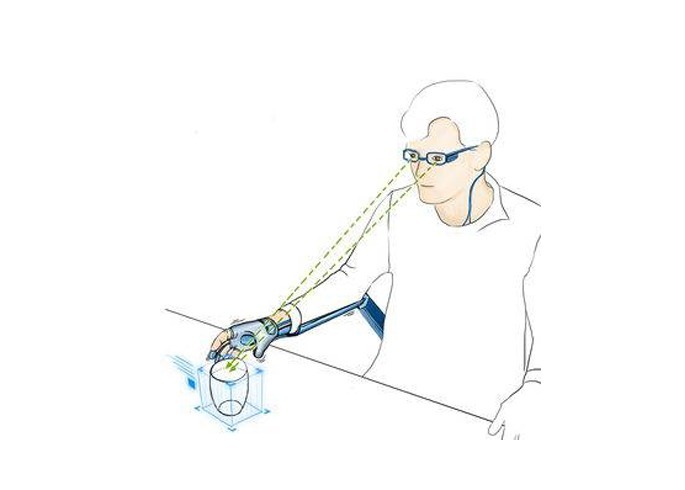 eNHANCEThis Horizon 2002 project develops technology to detect the intention of a user of a prosthetic limb, so that the limb can carry out the user's wishes more effectively.
 -
 eWatchThis project will develop the next generation of wrist-worn wearable devices which will be able to measure physiology much more accurately and with more parameters than currently possible.
 -
 Food & CognitionIn this regional project, the partners will establish a cluster network for exchange of knowledge and information related to the topic of food and cognition.
 -
 Food FriendThe partners in this project will develop innovative tools and methods for measuring food intake of people in a variety of different situations.
 -
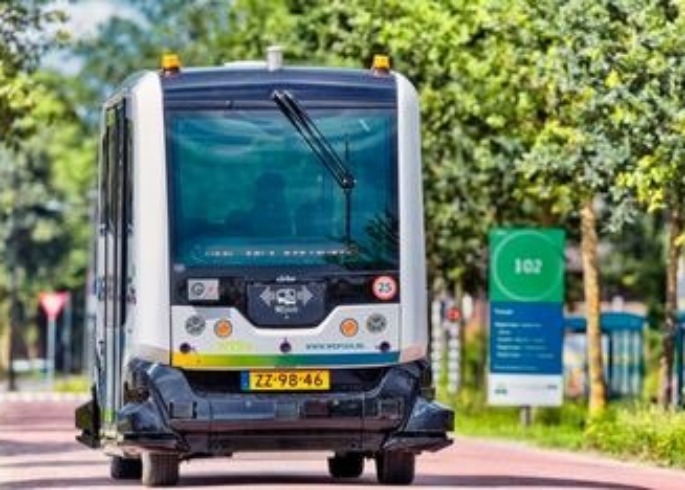 IAT, an INTERREG projectThis project will work on various aspects of cross-border automated transport including truck platooning, automated cars (WEpods) and parcel delivery.
 -
 VIBEIn this project about medical simulation and training, Noldus will develop tools for measuring human behavior in virtual environment.
 -
 FoodcostThis ERASMUS Plus project aimed to modernize and improve university education in the field of food production, food quality and consumer studies.
 -
 iCAREImproving Children's Auditory REhabilitation (iCARE) was an ITN training project focussing on improving the communication of children with a hearing impairment in which Noldus developed a tool to automate measuring communicat
 -
 DriveLab for HealthDevelopment of a system for measuring key aspects of a drivers' performance in rehabilitation studies.
 -
 MINDIn the Medical Innovation Netherlands - Germany project, we developed technology for smart devices to aid Parkinsons' patients.
 -
 Virtual Emotion ReaderThis project developed a new system for measuring consumer choice behaviour, including emotions whilst the subjects are eating.
 -
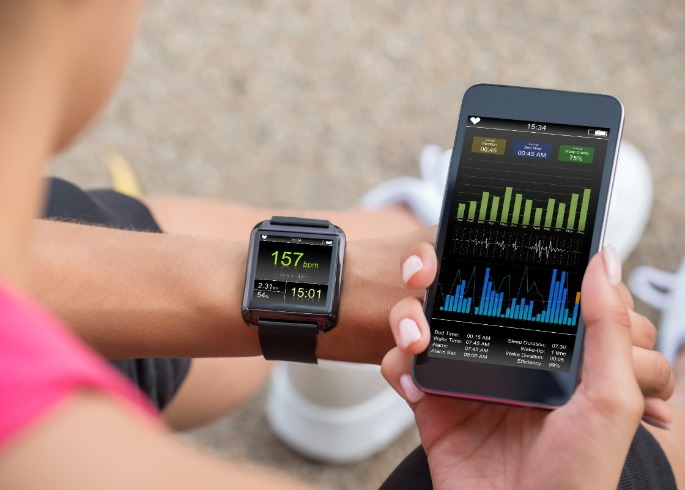 SportConnected2SocietyThe performance of sportspeople is increasingly measured with a variety of digital devices. In this project, the companies producing those devices cooperated together to enable integration of the various data streams.
 -
 AIDANoldus will create an innovative UX measurement system to assess the effectiveness of the knowledge management system developed in the project.
 -
 EyeReaderIn this project we develop innovative technology to measure data about the user from images of their eyes.
 -
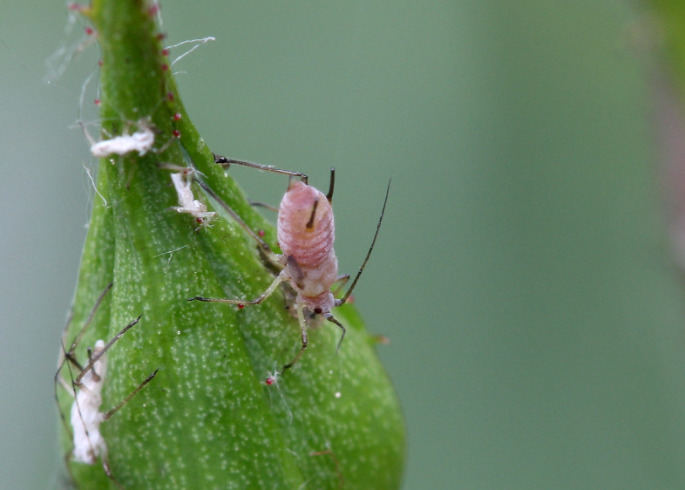 TrackGeneVideo tracking with EthoVision can be an effective way to screen for pest resistance
 -
 MInD-MapMInD-Map is a Eurostars project developing new technologies for measuring cognitive processes
 -
 INGE-3In this project, the partners will develop innovative solutions for measuring people's mental states using wearables
 -
 EMOTICALLDuring the pandemic, many people have started using video calling for meetings. But how well does the non-verbal communication work?
 -
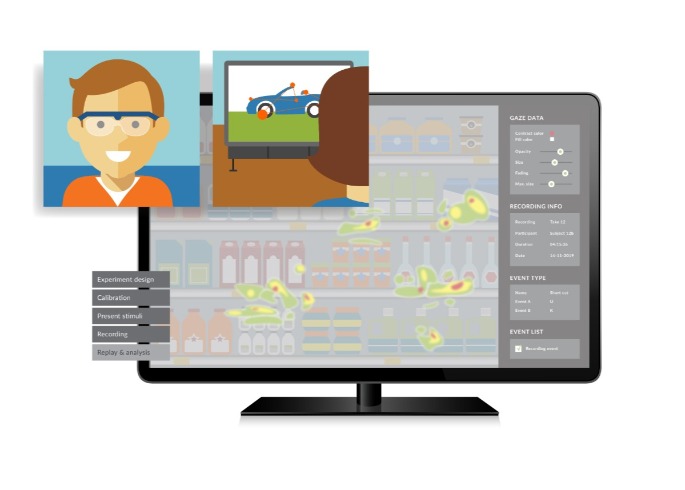 Routemap for data-driven UX designHow can we better use objective data-driven methods to improve design?
 -
 SLIMSResearch into use of eye tracking in a VR context for diagnosis and monitoring of MS